





Timber frame
The term 'timber frame' typically describes a system of panelised structural walls and floors constructed from small section timber studs, clad with board products, in which the timber frame transmits vertical and horizontal loads to the foundations. It is generally not used to refer to timber post and beam structures or to timber engineered structural frames.
Timber frames can be the most suitable choice if the structural shell is required quickly, if the ground conditions are particularly poor, or if the design does not include very large structural spans. For more information, see Advantages and disadvantages of timber frame buildings
There are a number of ways developing timber frame structures:
- A commonly-used method for constructing timber frames is the platform frame, in which each storey is formed by floor-to-ceiling timber panels and a floor deck which then becomes the platform for constructing the next storey.
- The engineered stud method with the installation of insulation between the load-bearing timber studs.
- The twin stud method involves two timber frame stud walls, positioned parallel to one another, (sometimes with only one carrying the vertical load), with an insulated cavity separating them.
- Structural insulated panels (SIPs) take the form of an insulating core sandwiched between two structural facings. In the UK, the mainstream suppliers typically use the same structural facing – oriented strand board (OSB). For more information see Structural insulated panels.
- Cross-laminated timber (CLT) building systems. See Cross-laminated timber for more information.
Fire resistance can be enhanced by internal linings, such as plasterboard, and cavity barriers which prevent fire from entering the cavity. For more information, see Timber framed buildings and fire.
Timber elements can also be oversized to aid fire resistance. For more information, see Sacrificial timber.
NB The role of Standards in offsite construction, A review of existing practice and future need, published by BSi in 2019, states: ‘Timber frame building can consist of wall panels, alongside floor and roof panels – often referred to as cassettes. These can also be open panel or closed panel. Open panels are timber frame wall panels, comprising studs, rails and sheathing on one face and a breather membrane. Closed panels also include linings on the faces of the panel, a vapour barrier and breather membrane. Closed panels may also include fitted windows, openings for doors and service routes. Manufactured in factory conditions, these cassettes and panels are brought to site and fixed together to form a rigid load-bearing superstructure. These consist of timber studs and beams, stiffened on one side with oriented strand board (OSB) and plasterboard.’
Fire safety in construction, written by HSE and Published by TSO (The Stationery Office), Third Edition, 2022, suggests that timber frame is: ‘A build method that relies on a timber frame for structural support. The construction method uses wall panels and floor decks, often factory-manufactured. The main systems used are classified as either open-panel, insulated or closed-panel. These panels can include the wall insulation pre-fitted and sometimes include the pre-fitting of doors, windows and service zones for on-site installation of mechanical and electrical works.’
[edit] Related articles on Designing Buildings
- Advantages and disadvantages of timber frame buildings.
- Aurora Log Homes.
- Balloon framing.
- Concrete frame.
- Cruck.
- Delivering sustainable low energy housing with softwood timber frame.
- Open panel timber frame.
- Padstone.
- Post.
- Sacrificial timber.
- Skeleton frame.
- Steel frame.
- Stud.
- Testing timber.
- Timber.
- Timber engineered structural frames.
- Timber roof.
- Timber framed buildings and fire.
- Timber post and beam construction.
- Timber preservation.
- Types of frame.
- Types of timber.
- Village homes in Western Uganda.
- Wood and climate change in 2021.
Featured articles and news
Costs and insolvencies mount for SMEs, despite growth
Construction sector under insolvency and wage bill pressure in part linked to National Insurance, says report.
The place for vitrified clay pipes in modern infrastructure
Why vitrified clay pipes are reclaiming their role in built projects.

Research by construction PR consultancy LMC published.
Roles and responsibilities of domestic clients
ACA Safety in Construction guide for domestic clients.
Fire door compliance in UK commercial buildings

Architect and manufacturer gives their low down.
Plumbing and heating for sustainability in new properties

Technical Engineer runs through changes in regulations, innovations in materials, and product systems.
Awareness of the Carbon Border Adjustment Mechanism
What CBAM is and what to do about it.
The new towns and strategic environmental assessments
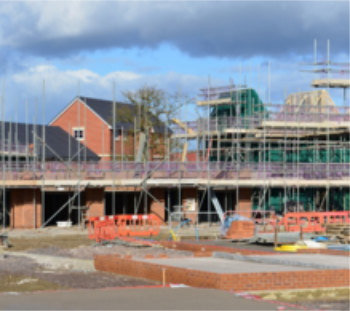
12 locations of the New Towns Taskforce reduced to 7 within the new towns draft programme and open consultation.
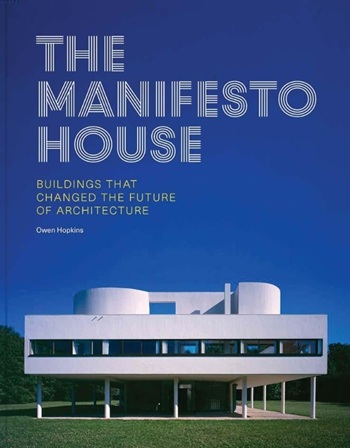
Buildings that changed the future of architecture. Book review.
The Sustainability Pathfinder© Handbook
Built environment agency launches free Pathfinder© tool to help businesses progress sustainability strategies.

Government outcome to the late payment consultation, ECA reacts.
IHBC 2025 Gus Astley Student Award winners

Work on the role of hewing in UK historic conservation a win for Jack Parker of Oxford Brookes University.
Future Homes Building Standards and plug-in solar
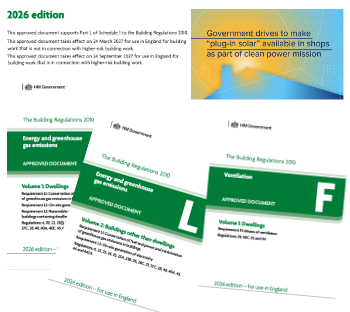
Parts F and L amendments, the availability of solar panels and industry responses.
How later living housing can help solve the housing crisis
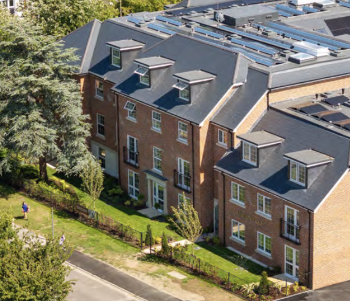
Unlocking homes, unlocking lives.
Preparing safety case reports for HRBs under the BSA
A new practical guide to preparing structural inputs for safety cases and safety case reports published by IStructE.
Male construction workers and prostate cancer

CIOB and Prostate Cancer UK encourage awareness of prostate cancer risks, and what to do about it.