





Costs and business planning in construction: Knowledge hub

Contents |
Key takeaways
Cost and business planning are vital practices in the construction industry that involve forecasting, controlling, and aligning costs with budgets and business objectives. Different types of cost plans evolve through project stages—from high-level appraisals to detailed final accounts. These plans ensure affordability, cash flow management, and accountability, helping make informed decisions and avoiding cost overruns.
What is cost / business planning ?
Cost planning involves systematically estimating, allocating, and controlling the costs of a construction project over its lifecycle. Business planning expands on this by integrating project costs with broader organisational strategy, funding, and commercial objectives. It is important because it:
- Construction projects involve multiple phases, numerous stakeholders, and unpredictable variables (material prices, labour availability, inflation, planning delays).
- Projects often exceed budgets; structured cost planning helps mitigate this risk arxiv.org.
- Early cost visibility enables targeted value analysis and optimisation before construction begins.
- Regular cost monitoring identifies emerging cost risks, enabling adjustments to contingency and design .
- Detailed cost profiles inform financing strategies, loan drawdown schedules, and funding arrangements.
- A structured cost planning regime with clear reporting ensures clients and stakeholders can monitor spending against approved budgets throughout the project.
Key articles about Cost / business planning
Below are key articles about cost and business planning on Designing Buildings:
Types of cost planning documents:
- Approximate quantities cost plan. Pre-tender, measured quantities from drawings/BIM.
- Bill of quantities. Project-specific measured quantities of the items identified in drawings and specifications.
- Budget. The amount of money available to spend over a period of time, or on a specific thing.
- Contract sum analysis. Agreed cost with contractor.
- Cost planning. A general introduction.
- Elemental cost plan. Breakdown by building element once brief/design is formed.
- Final account. Agreed final cost post-completion.
- Initial cost appraisal. Early feasibility & affordability.
- Life cycle costing. Systematic evaluation of combined capital, operating and end-of-life costs.
- Order of cost estimate. Early affordability assessments.
- Pre-tender estimate. Estimated during tender documents preparation.
- Statement of need. The client's possible requirements in outline.
- Tender pricing document. Provided to bidders.
- Whole life cost plan. Assesses total lifecycle and operational costs.
Cost planning processes and control:
- Benchmarking. Comparing your project’s metrics with those of similar projects to identify areas for improvement.
- Capital costs. One-off outlays for acquiring or constructing long-term assets.
- Cash flow. A temporal breakdown of expected cash inflows and outflows across the project lifecycle to monitor liquidity.
- Change control. A formal system to manage modifications to project scope, plans, or specifications in a controlled manner.
- Construction costs. Expenditures directly related to the building process, including materials, labour, plant, and contractor services.
- Contingency. Allowances for uncertainties and risks in cost plans.
- Cost benefit analysis. Details comparing monetary benefits and costs to assess project viability
- Cost consultant. The role and responsibilities of the specialist preparing cost plans.
- Cost control. How cost plans underpin monitoring, reporting, and variation control.
- Cost of building. Key determinants of building costs.
- Cost reporting. Standards and timing of cost reports.
- Cost variance. Tracking deviations between estimated and actual costs.
- Fair payment practices. Systems and agreements ensuring prompt and equitable payment along the construction supply chain.
- Fees. Charges levied by consultants, professionals, or service providers during project development and delivery.
- Hard costs v soft costs. Brick-and-mortar costs v intangible costs such as fees.
- Key performance indicators. Measurable values used to track performance, highlight trends, and gauge project success.
- Net present value. The difference between the present value of cash inflows and outflows of a project or investment.
- New Rules of Measurement. Standard measurement rules.
- Operational costs. Ongoing expenses required to operate and maintain facilities once constructed.
- Out-turn cost. The actual cost incurred at project close.
- Value engineering. A systematic approach to improving the function of systems or projects while minimising cost, without compromising quality.
Business planning:
- Accounting. Recognition, measurement, and reporting of financial transactions, including capital, costs, profits, and overheads.
- Business case. Information to enable approval, authorisation and assessment a project proposal.
- Change management. The structured process for guiding individuals and teams through organisational or project transitions.
- Development appraisal. An evaluative method to assess a site’s viability, incorporating site constraints, opportunities, and financial return potential.
- Due diligence. An investigative and appraisal process assessing risks, financials, and feasibility before investment or development.
- Funding. The provision of capital through loans, investments, grants, or equity to finance project development or operations.
- Leadership. Directing and motivating teams within projects or organisations to achieve objectives effectively.
- Marketing. Activities undertaken to promote services or properties and attract clients, tenants, or investors.
- Overheads. Indirect costs not directly tied to a specific project output, such as administration, office expenses, or utilities.
- Profit. The financial surplus remaining when all project or business costs including direct and indirect items are deducted from revenue.
- Property yield. The return on investment derived from property, typically calculated as rental income as a percentage of property value.
- Relationship management. Maintaining effective stakeholder engagement to mitigate risks like delays or defects.
- Resource management. Planning and controlling assets; people, materials, machinery, and budgets, to optimise project delivery.
- Site selection and acquisition. The evaluation and procurement process of choosing a suitable site based on factors like location, cost, regulation, and potential.
- Winning work. Strategies and practices used to secure new projects, contracts, or clients.
All articles about costs and business planning
There are more that 1,000 articles about costs and business planning on Designing Buildings. A full index is available here.
You can access our other subject-specific knowledge hubs here.
Stay up-to-date
This hub will be updated regularly with new guidance, policy changes, and innovations. Bookmark this page or subscribe to our newsletter to stay informed.
This web page is openly licensed via CC BY 4.0.
Featured articles and news
Costs and insolvencies mount for SMEs, despite growth

Construction sector under insolvency and wage bill pressure in part linked to National Insurance, says report.
The place for vitrified clay pipes in modern infrastructure
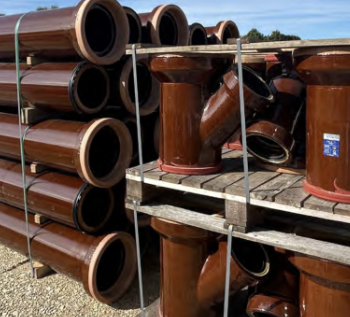
Why vitrified clay pipes are reclaiming their role in built projects.

Research by construction PR consultancy LMC published.
Roles and responsibilities of domestic clients
ACA Safety in Construction guide for domestic clients.
Fire door compliance in UK commercial buildings

Architect and manufacturer gives their low down.
Plumbing and heating for sustainability in new properties

Technical Engineer runs through changes in regulations, innovations in materials, and product systems.
Awareness of the Carbon Border Adjustment Mechanism
What CBAM is and what to do about it.
The new towns and strategic environmental assessments
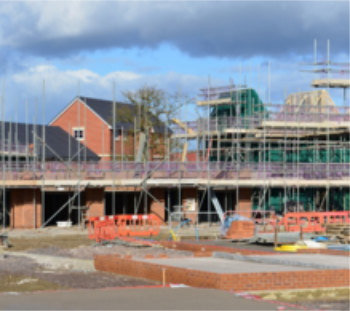
12 locations of the New Towns Taskforce reduced to 7 within the new towns draft programme and open consultation.
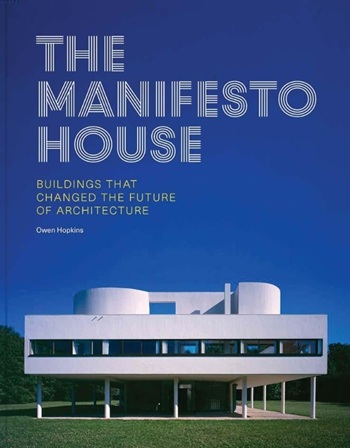
Buildings that changed the future of architecture. Book review.
The Sustainability Pathfinder© Handbook
Built environment agency launches free Pathfinder© tool to help businesses progress sustainability strategies.
Government outcome to the late payment consultation, ECA reacts.
IHBC 2025 Gus Astley Student Award winners

Work on the role of hewing in UK historic conservation a win for Jack Parker of Oxford Brookes University.
Future Homes Building Standards and plug-in solar
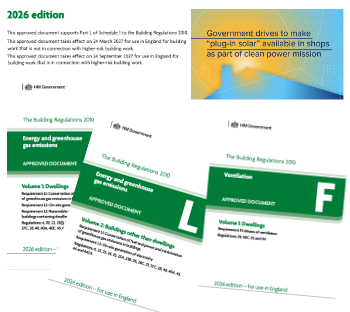
Parts F and L amendments, the availability of solar panels and industry responses.
How later living housing can help solve the housing crisis

Unlocking homes, unlocking lives.
Preparing safety case reports for HRBs under the BSA
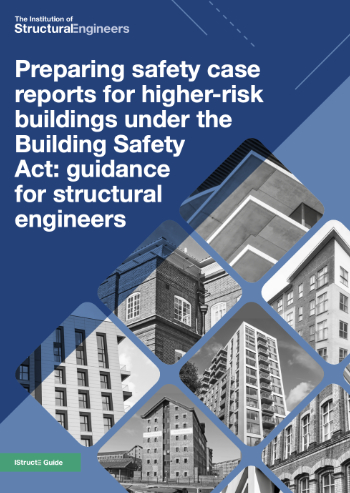
A new practical guide to preparing structural inputs for safety cases and safety case reports published by IStructE.
Male construction workers and prostate cancer

CIOB and Prostate Cancer UK encourage awareness of prostate cancer risks, and what to do about it.