





Design in construction: Knowledge hub

Contents |
Key takeaways about design
Design is the process of turning requirements and ideas into buildable solutions via drawings, plans, specifications, and models. It involves reconciling issues such as aesthetics, function, budget, regulations, structure, and environment, often requiring compromise, iteration and multidisciplinary input.
Design is the translation of a client’s brief into instructions that enable a contractor to build a solution. It is a structured process that can follow formal stages while remaining creative.
Why does it matter?
Properly structured design processes can help:
- Provide space to explore alternative solutions, materials, and technologies.
- Provide a shared framework for designers, contractors, and specialists to align their work.
- Resolve complex requirements, integrating multiple factors such as site, environment, form, structure, sustainability, user needs and so on.
- Reduce risk, preventing errors, accidents, cost overruns, and delays.
- Optimise material usage, buildability, and performance.
- Ensure solutions meet planning, building regulations, and safety standards.
Key articles about Design on Designing Buildings
Here are some of the key and widely read articles about design on Designing Buildings:
Key roles:
- Architect.
- Architectural Technologist.
- Civil engineer.
- Design team.
- Inclusive design (Access) consultant
- Interior designer.
- Landscape designer.
- Lead designer.
- Lighting designer.
- Masterplanner.
- Services engineer.
- Specialist designers.
- Structural engineer.
RIBA plan of work stages:
- 0 - Strategic definition.
- 1 - Preparation and briefing.
- 2 - Concept design.
- 3 - Spatial coordination.
- 4 - Technical design.
- 5 - Manufacturing and construction.
- 6 - Handover.
- 7 - Use.
Other design stages:
- Building regulations. Formal confirmation that a design meets mandatory technical standards.
- Concept architectural design. The initial exploration of the brief.
- Concept services design. The services engineer’s preliminary arrangement.
- Concept structural design. The structural engineer’s early-stage proposals.
- Detailed design. Final technical documentation prior to construction.
- Development appraisal. An early-stage analysis that examines site constraints, planning issues, and opportunities to determine if a project is viable.
- Feasibility studies. Exploratory assessments that establish whether a proposed project is possible, practical, and beneficial.
- Options appraisal. A structured evaluation of alternative approaches or schemes.
- Planning permission. Local authorities review and decide whether a proposed development is allowed to proceed.
- Production information. Detailed technical drawings and specifications designed to guide construction.
- Specification. The written descriptions detailing materials, workmanship, performance criteria, and quality expectations..
- Tender documentation. A package of information used to solicit construction bids.
Design processes and theory:
- Architectural styles. Classifications of recurrent aesthetic and formal patterns.
- Biophilic design. Integrating nature and human wellbeing through design.
- Building design process. Covers conceptual to detailed design flows.
- Building information modelling. Digital approach to integrated design and documentation.
- Collaborative practices. Importance of early and integrated teamwork.
- Computer aided design. Technical drawing and coordination tool.
- Design. Definition, process, key stages and iterative nature of building design.
- Design and build. Procurement route combining design and construction.
- Design coordination. Integrating multi-disciplinary designs to avoid clashes.
- Design economics. Assessing financial implications of design choices.
- Design for deconstruction. Designing to enable future reuse or recycling.
- Design for manufacture and assembly (DfMA). Designing for off-site construction efficiency.
- Design freeze. Locking down design to maintain consistency and control.
- Design intent. Clarifying the desired outcome and performance of a design.
- Design life. Expected service life of structures.
- Design management. The structured oversight of the design process.
- Design methodology. Approaches for structuring and managing design.
- Design principles. Formal design guidance on balance, unity, contrast, etc.
- Design quality indicator. Tool for assessing and benchmarking design quality.
- Design team meeting. A collaborative gathering of project designers and stakeholders to review progress.
- Environmental design. Incorporating sustainability into building form and systems.
- Mood board. A visual assembly of images, textures, and materials that convey the intended aesthetic or emotional tone of a design.
- Site information for design and construction. Essential site data to inform design decisions.
- Types of drawing. Varied graphic formats, each serving distinct design or communication purposes.
All articles about design
There are more that 1,500 articles about Design on Designing Buildings. A full index is available here.
You can access our other subject-specific knowledge hubs here.
Stay up-to-date
This hub will be updated regularly with new guidance, policy changes, and innovations. Bookmark this page or subscribe to our newsletter to stay informed.
This web page is openly licensed via CC BY 4.0.
Featured articles and news
Costs and insolvencies mount for SMEs, despite growth
Construction sector under insolvency and wage bill pressure in part linked to National Insurance, says report.
The place for vitrified clay pipes in modern infrastructure
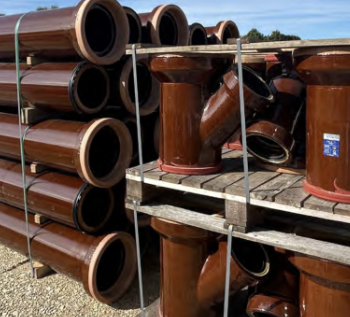
Why vitrified clay pipes are reclaiming their role in built projects.
Research by construction PR consultancy LMC published.
Roles and responsibilities of domestic clients
ACA Safety in Construction guide for domestic clients.
Fire door compliance in UK commercial buildings

Architect and manufacturer gives their low down.
Plumbing and heating for sustainability in new properties

Technical Engineer runs through changes in regulations, innovations in materials, and product systems.
Awareness of the Carbon Border Adjustment Mechanism
What CBAM is and what to do about it.
The new towns and strategic environmental assessments
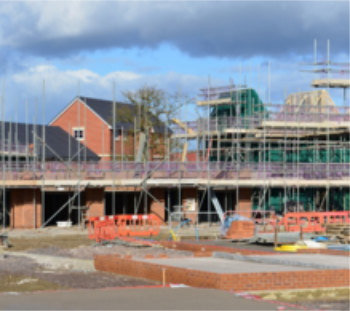
12 locations of the New Towns Taskforce reduced to 7 within the new towns draft programme and open consultation.
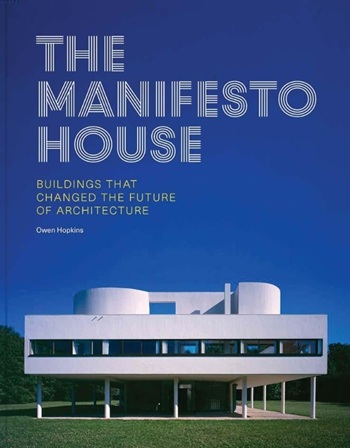
Buildings that changed the future of architecture. Book review.
The Sustainability Pathfinder© Handbook
Built environment agency launches free Pathfinder© tool to help businesses progress sustainability strategies.
Government outcome to the late payment consultation, ECA reacts.
IHBC 2025 Gus Astley Student Award winners
Work on the role of hewing in UK historic conservation a win for Jack Parker of Oxford Brookes University.
Future Homes Building Standards and plug-in solar
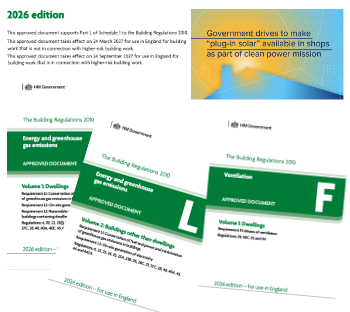
Parts F and L amendments, the availability of solar panels and industry responses.
How later living housing can help solve the housing crisis
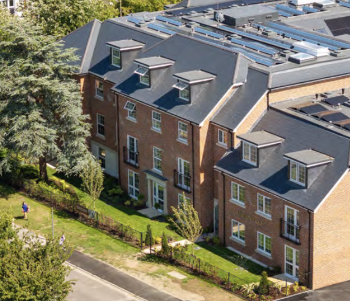
Unlocking homes, unlocking lives.
Preparing safety case reports for HRBs under the BSA
A new practical guide to preparing structural inputs for safety cases and safety case reports published by IStructE.
Male construction workers and prostate cancer

CIOB and Prostate Cancer UK encourage awareness of prostate cancer risks, and what to do about it.