





Engineered
In the UK construction industry, the word “engineered” refers to something that has been specifically designed, calculated, or manufactured to meet defined technical performance criteria, rather than being based on traditional, empirical, or purely aesthetic approaches.
It generally implies the application of engineering principles, such as structural analysis, materials science, or precision manufacturing, to ensure that a product, component, or system performs predictably and safely under specified conditions.
For example, engineered materials may be materials that have been manufactured or modified to achieve specific properties:
- Engineered timber. Wood products such as cross-laminated timber (CLT), laminated veneer lumber (LVL), or glulam, which are manufactured from layers of wood bonded with adhesives to achieve greater strength, stability, and uniformity than natural timber.
- Engineered stone. A composite material made from crushed stone bound with resins, designed for durability and consistency.
- Engineered fill. Soil or aggregate that has been placed and compacted under controlled conditions to achieve predictable load-bearing capacity.
Engineered systems or solutions may be systems that have been designed and verified by engineers to meet performance requirements, such as:
- Engineered drainage systems, designed using hydraulic calculations rather than installed by rule of thumb.
- Engineered foundations, designed using soil investigation data and load calculations.
The term 'engineered' may also imply professional accountability, i.e., that a qualified engineer (chartered or otherwise competent) has designed, signed off, or verified the item in accordance with standards, specifications or regulations.
Relevant articles on Designing Buildings include:
- Engineer.
- Engineered bamboo
- Engineered soil
- Engineered surfaces
- Engineered timber
- Engineered wood products
- Engineered wood rim board
- Engineered work surfaces
- Factory engineered concrete
- Fire engineered building
- Pre-engineered
- Pre-engineered buildings
- The Differences Between Engineered Flooring and Solid Hardwood Flooring
- Timber engineered structural frames
Featured articles and news
Costs and insolvencies mount for SMEs, despite growth

Construction sector under insolvency and wage bill pressure in part linked to National Insurance, says report.
The place for vitrified clay pipes in modern infrastructure
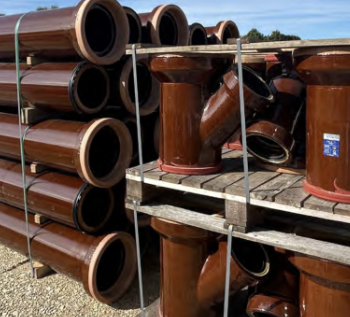
Why vitrified clay pipes are reclaiming their role in built projects.

Research by construction PR consultancy LMC published.
Roles and responsibilities of domestic clients

ACA Safety in Construction guide for domestic clients.
Fire door compliance in UK commercial buildings

Architect and manufacturer gives their low down.
Plumbing and heating for sustainability in new properties

Technical Engineer runs through changes in regulations, innovations in materials, and product systems.
Awareness of the Carbon Border Adjustment Mechanism
What CBAM is and what to do about it.
The new towns and strategic environmental assessments
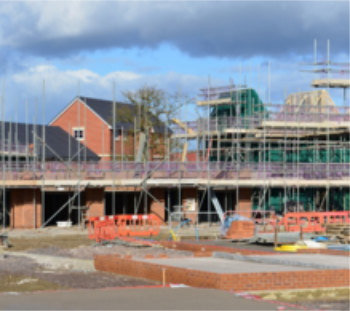
12 locations of the New Towns Taskforce reduced to 7 within the new towns draft programme and open consultation.

Buildings that changed the future of architecture. Book review.
The Sustainability Pathfinder© Handbook
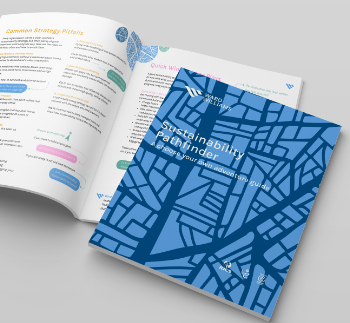
Built environment agency launches free Pathfinder© tool to help businesses progress sustainability strategies.
Government outcome to the late payment consultation, ECA reacts.
IHBC 2025 Gus Astley Student Award winners

Work on the role of hewing in UK historic conservation a win for Jack Parker of Oxford Brookes University.
Future Homes Building Standards and plug-in solar
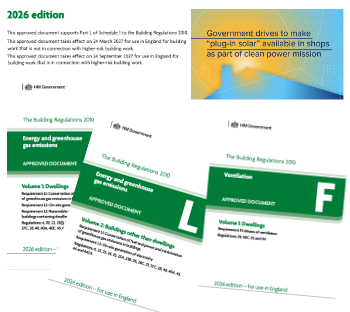
Parts F and L amendments, the availability of solar panels and industry responses.
How later living housing can help solve the housing crisis
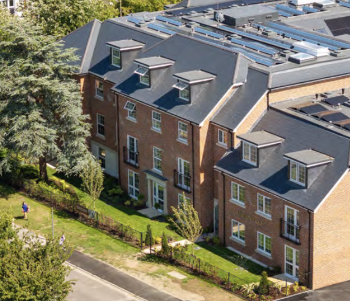
Unlocking homes, unlocking lives.
Preparing safety case reports for HRBs under the BSA
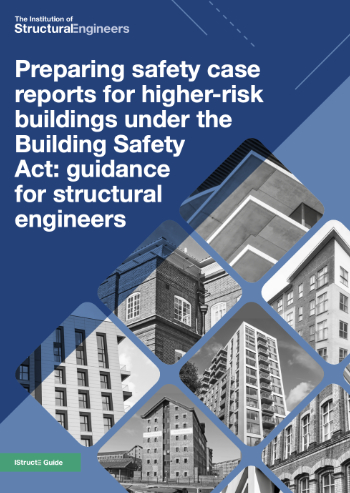
A new practical guide to preparing structural inputs for safety cases and safety case reports published by IStructE.
Male construction workers and prostate cancer

CIOB and Prostate Cancer UK encourage awareness of prostate cancer risks, and what to do about it.