





Procurement
"Procurement is defined as the buying of goods and services that enable an organisation to operate its supply chains, in a profitable and ethical manner. There are many different interpretations of what procurement is, and this definition can vary from sector to sector " subject to the activities undertaken within organisation. The Chartered Institute of Procurement & Supply (CIPS)
In relation to the design and construction of buildings, procurement also relates to the process of purchasing goods or services often related to a building. In terms of the building itself, as a whole there are many different routes by which the design and construction of a building can be procured, the selection of which should follow a strategy which fits the long-term objectives of the client's business plan. The term procurement route refers to the method by which a building itself is procured impacted by considerations of speed, cost, quality, specific project constraints, risk, asset ownership, financing and so fourth.,.
The National Construction Contracts and Law Report 2018, published by NBS, suggested the following mix of procurement routes in the construction industry: Traditional procurement, Design and build, Partnering / alliancing, Construction management, Contractor approved without any tender process, Measured term, PFI / PPP, Cost plus, and Management contracting.
More generally The Chartered Institute of Procurement & Supply (CIPS) refers to different types of procurement methods, to which the above construction specific route would most likely fall, such as
"Open tendering: This method ensures all interested suppliers have an equal opportunity to bid for the contract in question. It promotes competition and fairness, but can be time-consuming and labour intensive as you’ll need to evaluate the bids as they come in.
Request for proposals: This method is an open request, whereby the organisation asks suppliers to bid for the contract. The organisation would need to describe what they need to fulfil and the expected timeline of the completion of the work.
Two stage tendering: This method is split into two stages. The first stage has complete information without prices from the suppliers, and the second stage includes the price specification from the suppliers. The supplier with the highest ranked bid is then invited to stage two, where they’ll submit financial proposal.
Request for quotations This procurement method is non-competitive, as you’ll choose the suppliers to request quotation from. You’ll typically pick at least three suppliers to submit quotes, and pick the best one based on the requirements you’re after.
Selective tendering With this procurement method, suppliers can only submit tenders by invitation. The competition is confined to a number of suppliers who are pre-betted based on their track record.
Single source tendering This method is typically used under exceptional circumstances. For example, if only one supplier is qualified, goods or services only available from a specific source or in emergencies."
To find out more se the article procurement route and to find out more about CIPS visit hhttps://www.cips.org/
[edit] Related articles on Designing Buildings
- Admeasurement
- Build lease transfer BLT.
- Build operate transfer BOT.
- Competitive procedure with negotiation.
- Complex project.
- Connected procurement.
- Corporate objectives for procurement.
- Design and build procurement route
- Design and manage procurement route.
- Design build finance and operate.
- Design, build, finance, maintain DBFM.
- Design Build Finance Operate Maintain DBFOM.
- Design build finance transfer (DBFT).
- Design, build, manage contractor.
- Design build operate maintain DBOM.
- Design Build Operate Transfer DBOT.
- Design construct manage finance DCMF.
- Difference between procurement and purchasing.
- Engineering procurement and construction contract.
- European Single Procurement Document ESPD.
- Framework contract.
- Lump sum contract.
- Maintenance Repair Operations MRO.
- Management contractor.
- OJEU procurement procedures.
- Partnering in construction.
- Private finance initiative.
- Procurement policy.
- Procurement route – frequently asked questions.
- Procurement strategy.
- Public private partnerships PPP
- Public procurement.
- Renovate, operate, transfer (ROT).
- Restricted procedure under the Single Procurement Document (Scotland).
- Reverse auction.
- Shadow tolls.
- Single-stage tender
- Subcontract procurement.
- Tender processes for construction contracts.
- Traditional contract for construction.
- Transforming Public Procurement Green Paper.
- Two-stage tender.
- What is the most common procurement route?
Featured articles and news
Costs and insolvencies mount for SMEs, despite growth

Construction sector under insolvency and wage bill pressure in part linked to National Insurance, says report.
The place for vitrified clay pipes in modern infrastructure
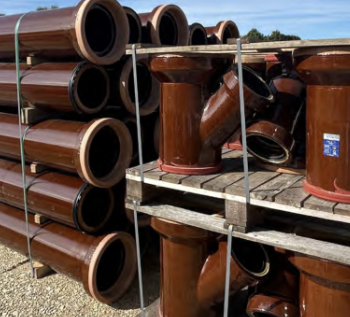
Why vitrified clay pipes are reclaiming their role in built projects.
Research by construction PR consultancy LMC published.
Roles and responsibilities of domestic clients

ACA Safety in Construction guide for domestic clients.
Fire door compliance in UK commercial buildings

Architect and manufacturer gives their low down.
Plumbing and heating for sustainability in new properties

Technical Engineer runs through changes in regulations, innovations in materials, and product systems.
Awareness of the Carbon Border Adjustment Mechanism
What CBAM is and what to do about it.
The new towns and strategic environmental assessments
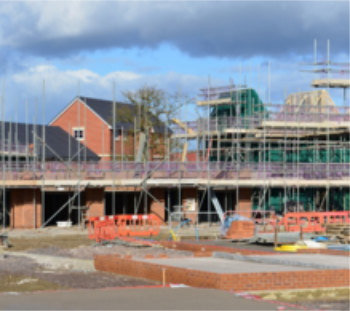
12 locations of the New Towns Taskforce reduced to 7 within the new towns draft programme and open consultation.
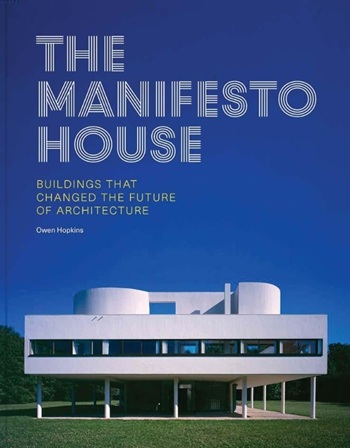
Buildings that changed the future of architecture. Book review.
The Sustainability Pathfinder© Handbook
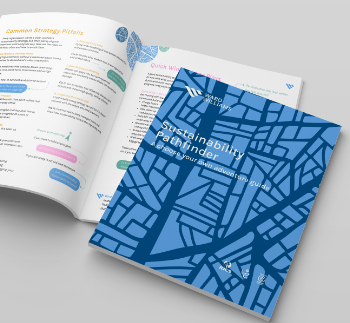
Built environment agency launches free Pathfinder© tool to help businesses progress sustainability strategies.
Government outcome to the late payment consultation, ECA reacts.
IHBC 2025 Gus Astley Student Award winners

Work on the role of hewing in UK historic conservation a win for Jack Parker of Oxford Brookes University.
Future Homes Building Standards and plug-in solar
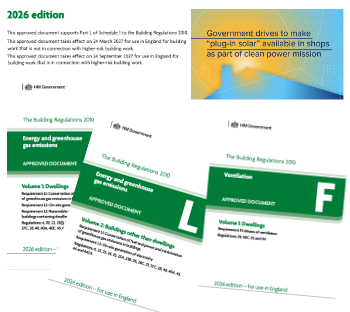
Parts F and L amendments, the availability of solar panels and industry responses.
How later living housing can help solve the housing crisis
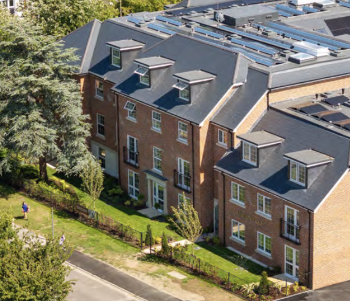
Unlocking homes, unlocking lives.
Preparing safety case reports for HRBs under the BSA
A new practical guide to preparing structural inputs for safety cases and safety case reports published by IStructE.
Male construction workers and prostate cancer
CIOB and Prostate Cancer UK encourage awareness of prostate cancer risks, and what to do about it.