






Building performance evaluation BPE
BSRIA (Building Services Research and Information Association) define Building Performance Evaluation (BPE) as:
“…a form of Post-Occupancy Evaluation (POE) which can be used at any point in a building's life to assess energy performance, occupant comfort and make comparisons with design targets.”
Building Performance Evaluations are an integral part of a soft landings programme, a strategy adopted to ensure the transition from construction to occupation is ‘bump-free’ and that operational performance is optimised. Soft landings keeps designers and constructors involved with buildings beyond practical completion.
As clients increasingly demand proof of performance, BPE is becoming a requirement on many projects, particularly in the public sector for schools, offices and healthcare buildings. Services can range from a complete evaluation to providing energy monitoring instruments and benchmarking building performance.
BPE generally falls into three elements:
- A forensic walkthrough; an inspection to check the building's operation and whether there are any emerging problems or wasteful operational practices.
- An energy survey; a breakdown of the energy used in a building by type of consumption, for example, heating, air conditioning, and so on.
- Assessment of occupant satisfaction; surveys and interviews of building users and occupiers.
For more information, download BSRIA's introduction to BPE presentation on behalf of the Modern Built Environment KTN for more details.
In September 2015, BSRIA launched Building Performance Evaluation in Non-Domestic Buildings Guide – an introduction to the tests and methods in non-domestic buildings. The guide provides a general introduction to Building Performance Evaluation (BPE) and explains why it is important and how it can be carried out. BPE is a key element of the BSRIA soft landings framework intended to help deliver buildings that are an effective and efficient and perform as expected. The guide focuses on new, existing and refurbished non-domestic buildings and aims to inform those involved in the design, construction, operation and/or management of a building about its current performance.
NB The RIBA Passivhaus Overlay, published by the RIBA in 2022, states in relation to Building Performance Evaluation (BPE): “The process of gathering quantitative and qualitative data and interpreting that information in order to draw conclusions about the performance of one or more of a building’s attributes. It is advantageous to undertake BPE to gather data about the existing building. BS:40101 (BSI, 2022) establishes a framework for undertaking Building Performance Evaluation. It can be useful to review energy use (e.g. CIBSE TM22) and occupant satisfaction (BUS), and then, as appropriate, follow up with temperature and humidity monitoring, thermographic surveys and air leakage tests. This information can be used for designing out existing problems (changing control systems, updating technology, and training occupants), providing feedback to the project team, and informing Seasonal Commissioning of mechanical/electrical equipment.”
--BSRIA
[edit] Related articles on Designing Buildings
- Building performance.
- Building performance evaluation in domestic buildings.
- Building performance evaluation in non-domestic buildings guide – an introduction to the tests and methods in non-domestic buildings.
- Building performance metrics.
- Building use studies (BUS).
- Built2Spec.
- Extended aftercare.
- Handover to client.
- Initial aftercare.
- Lessons learned report.
- Medical Research Council Laboratory of Molecular Biology soft landings project.
- Performance of exemplar buildings in use: Bridging the performance gap FB 78.
- Post occupancy evaluation.
- Post occupancy evaluation process.
- Post project review.
- Performance in use.
- Smart meters and building performance evaluation.
- Soft landings.
- Soft Landings for owners.
Featured articles and news
Costs and insolvencies mount for SMEs, despite growth

Construction sector under insolvency and wage bill pressure in part linked to National Insurance, says report.
The place for vitrified clay pipes in modern infrastructure
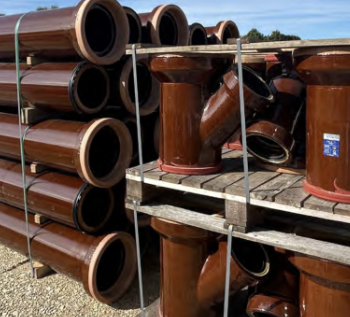
Why vitrified clay pipes are reclaiming their role in built projects.

Research by construction PR consultancy LMC published.
Roles and responsibilities of domestic clients

ACA Safety in Construction guide for domestic clients.
Fire door compliance in UK commercial buildings

Architect and manufacturer gives their low down.
Plumbing and heating for sustainability in new properties
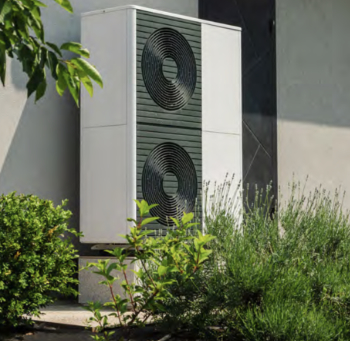
Technical Engineer runs through changes in regulations, innovations in materials, and product systems.
Awareness of the Carbon Border Adjustment Mechanism
What CBAM is and what to do about it.
The new towns and strategic environmental assessments
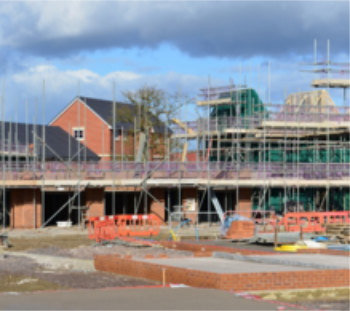
12 locations of the New Towns Taskforce reduced to 7 within the new towns draft programme and open consultation.
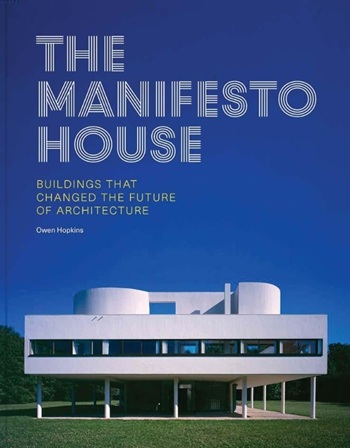
Buildings that changed the future of architecture. Book review.
The Sustainability Pathfinder© Handbook
Built environment agency launches free Pathfinder© tool to help businesses progress sustainability strategies.
Government outcome to the late payment consultation, ECA reacts.
IHBC 2025 Gus Astley Student Award winners

Work on the role of hewing in UK historic conservation a win for Jack Parker of Oxford Brookes University.
Future Homes Building Standards and plug-in solar
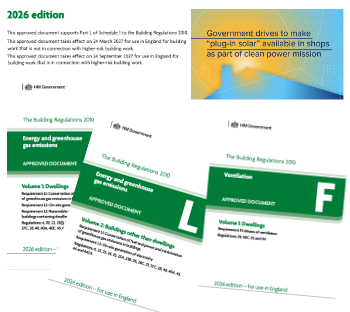
Parts F and L amendments, the availability of solar panels and industry responses.
How later living housing can help solve the housing crisis

Unlocking homes, unlocking lives.
Preparing safety case reports for HRBs under the BSA
A new practical guide to preparing structural inputs for safety cases and safety case reports published by IStructE.
Male construction workers and prostate cancer

CIOB and Prostate Cancer UK encourage awareness of prostate cancer risks, and what to do about it.