




Delay notice
A delay notice is a formal communication issued by a contractor or subcontractor to notify the client (or sometimes the main contractor) of a delay that affects the progress of the construction works. This could be due to various reasons such as unforeseen site conditions, weather, supply chain issues and so on.This notice is a crucial part of project management and contractual compliance, as it informs the relevant parties about disruptions and helps manage expectations, mitigate risks, and assess potential impacts on project timelines and costs.
Many construction contracts, including standard forms like those from JCT (Joint Contracts Tribunal) or NEC (New Engineering Contract), include provisions that require contractors to issue a delay notice within a specified time frame once a delay is identified.
Proper documentation and record-keeping are critical. The delay notice should be well-documented, with all relevant evidence and supporting information to substantiate the claim of delay.
A typical delay notice might include:
- A detailed explanation of the cause and nature of the delay.
- The date the delay began and the estimated duration of the delay.
- Assessment of how the delay will affect the project’s timeline, milestones, and completion date.
- Steps being taken to mitigate the delay.
- Any requests for extensions of time (EOT) or additional resources.
Prompt issuance of a delay notice is essential. Contracts often specify a time limit within which the notice must be given after the contractor becomes aware of the delay. Failure to provide timely notice can affect the contractor's ability to claim an extension of time or additional costs.
The delay notice is typically the first step in the process of applying for an extension of time. If the delay is justified and beyond the contractor’s control, the contract administrator may grant an EOT, thereby adjusting the project schedule without imposing liquidated damages for late completion.
[edit] Related articles on Designing Buildings
- Acceleration.
- Compensation event.
- Concurrent delay.
- Contractor delay.
- Critical path.
- Culpable delay.
- Delay.
- Delay to completion.
- Delay to progress.
- Dispute resolution.
- Disruption claims in construction.
- Employer delay.
- Extension of time.
- International research into the causes of delays on construction projects.
- Liquidated damages.
- Long lead-time item.
- Programme.
- Relevant event.
- Relevant event v relevant matter.
- Relevant matter.
Featured articles
Check out some of the best features and news from Designing Buildings as well as key stories from around the web.

CIOB celebrates positive Ofsted report.

The Building Safety Regulator announces a call for evidence.

Government approach could undermine delivery and regeneration.
World's first mass timber data centre.
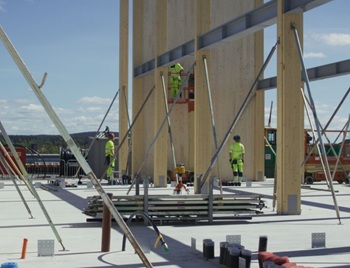
The overlooked environmental aspect of data centre development.
Introduction to radon awareness
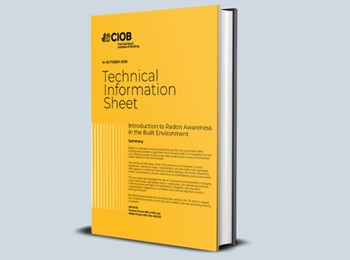
New technical information sheet published by CIOB.

Updated supplier guide can help electrical contractors engage with NHP.

CIAT confirm the winners of the 2026 architectural technology awards.

Government launches a one stop shop for flood preparedness.

Sir Edwin Lutyens: Britain's greatest architect? Book review.

CIOB publishes free template to help assess and manage risks.
ECA's reflections on Party Conference season

Burnham wants to be confident of winning before asking for a fresh mandate.
New Chief Construction and Scientific Adviser

Sergio Cavalaro, Professor of Infrastructure Systems at Loughborough University.