




Restriction of Hazardous Substances in Electrical and Electronic Equipment RoHS
Contents |
[edit] Background
The amount of waste electrical and electronic equipment (WEEE) generated every year in the EU and UK is increasing rapidly. It is now one of the fastest growing waste streams. Electrical and electronic equipment (EEE) can contain hazardous substances. Since 2003, EU laws have restricted the use of these hazardous substances.
In Great Britain and in Northern Ireland many types of electrical and electronic equipment (EEE) are regulated to control the levels of certain hazardous substances and chemicals they contain, with the aim of protecting human and animal health. This extends to specific steps that must be taken where a product is known or suspected to be non-compliant.
- have supporting technical documentation (often referred to as a technical file) to demonstrate compliance
- have a Declaration of Conformity
- be labelled with the required information
- display the appropriate conformity marking for the GB and/ or NI markets as appropriate
In Great Britain and Northern Ireland, the Restriction of the Use of Certain Hazardous Substances in Electrical and Electronic Equipment Regulations 2012 (as amended) are the underpinning legislation. However, there are differences in how they apply in Great Britain and Northern Ireland.
[edit] Increasing issues
The rise in the production and use of electrical and electronic products, such as mobile phones, computers and kitchen appliances, has resulted in an increasing volume of electrical and electronic waste. During the use, collection, treatment and disposal of such waste, products may release harmful (hazardous) substances such as lead, mercury and cadmium, which can cause major environmental and health problems.
To address such challenges, EU laws restrict the use of certain hazardous substances in electrical and electronic equipment through the RoHS Directive. In parallel, the WEEE Directive promotes the collection and recycling of such equipment.
[edit] Restricted substances
The RoHS Directive currently restricts the use of ten substances: lead, cadmium, mercury, hexavalent chromium, polybrominated biphenyls (PBB) and polybrominated diphenyl ethers (PBDE), bis(2-ethylhexyl) phthalate (DEHP), butyl benzyl phthalate (BBP), dibutyl phthalate (DBP) and diisobutyl phthalate (DIBP).
All products with an electrical and electronic component, unless specifically excluded, have to comply with these restrictions. In 2017, the Commission adopted a legislative proposal adjusting the scope of the RoHS Directive.
Manufacturers placing EEE on the market in Great Britain and/or Northern Ireland must evaluate their production controls to ensure that their products do not exceed the maximum prescribed levels of the following hazardous substances:
- Cadmium a heavy metal with many uses, including rechargeable batteries, it is also present in cigarette smoke. Exposure to cadmium can affect the kidneys, lungs and bones. Less than 0.01%.
- Lead naturally occurring toxic metal used in alloys, ceramic components, and solders, causes animal and human poisoning can interfere with numerous human enzymes, and cause brain damage. Less than 0.1%.
- Mercury naturally occurring element in air, water and soil. Poisoning can cause eyes, skin, stomach, chest and breathing issues, insomnia, weakness, exhaustion, weight loss. Serious in issue children. Less than 0.1%..
- Hexavalent chromium form of metallic naturally occurring element chromium, in rocks, animals, plants, soil. Considered carcinogenic, lung, nasal, and sinus cancer increases inhalation exposure. Less than 0.1%.
- Polybrominated biphenyls (PBB) man-made chemicals used as fire retardants in plastics and variety of Products. Linked to tumors, thyroid hormone imbalance, neurodevelopmental toxicity in children. Less than 0.1%.
- Polybrominated diphenyl ethers (PBDE) man-made organobromine compounds used as flame retardants. Effects children, impair cognitive development, motor skills, increased impulsivity, and decreased attention. Less than 0.1%.
- Bis (2-ethylhexyl) phthalate belongs to family of chemicals called phthalates, added to some plastics for flexibility, causes cancer and birth defects as well as other reproductive harm. Less than 0.1%.
- Benzyl butyl phthalate organic compound historically used as plasticiser, causes irritation, eyes, nose throat, nausea, vomiting, dizziness, headache. Long-term exposure may cause liver and kidney damage. Less than 0.1%.
- Dibutyl phthalate, a organic man-made compound added to plastics as plasticiser. Acute (short-term) and chronic (long-term) toxicity. No information is available regarding the effects animals and possibly humans. Less than 0.1%.
- Diisobutyl phthalate, a man-made phthalate or chemical plasticiser. Exposure can induce changes in body weight, liver weight, reproductive effects, testicular weight, spermatogenesis, testosterone levels and foetal body weight. Less than 0.1%.
[edit] Compliance
To demonstrate compliance, technical documentation is required, comprising:
- a Declaration of Conformity
- a record of the related conformity assessment procedure
- any other production control documentation, such as test reports
This is often called the Technical Package. It must be retained for 10 years after the last product is first placed on the market and be made available to OPSS on request.
This article is based on information published by the EU and by the UK government, as of June 2023, for further information and updates visit external links below.
[edit] Related articles on Designing Buildings
- Electrical and electronic equipment
- End of life potential.
- Environmental impact assessment EIA.
- Environmental plan for building design and construction.
- Glossary of electrical terms.
- Hire, reclaim and reuse scheme combats construction waste.
- How to conduct a pre-demolition audit.
- Plastic and recycling.
- Recycling explained.
- Types of plastic in construction.
- Waste and Resources Action Programme WRAP.
- Waste hierarchy.
- Waste management plan for England..
[edit] External links
https://environment.ec.europa.eu/topics/waste-and-recycling/rohs-directive_en
Featured articles and news
Costs and insolvencies mount for SMEs, despite growth

Construction sector under insolvency and wage bill pressure in part linked to National Insurance, says report.
The place for vitrified clay pipes in modern infrastructure
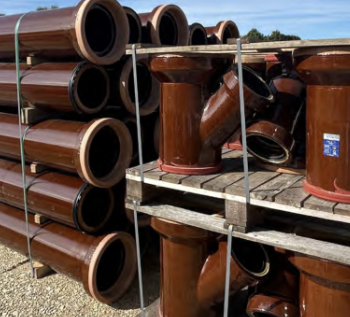
Why vitrified clay pipes are reclaiming their role in built projects.

Research by construction PR consultancy LMC published.
Roles and responsibilities of domestic clients

ACA Safety in Construction guide for domestic clients.
Fire door compliance in UK commercial buildings

Architect and manufacturer gives their low down.
Plumbing and heating for sustainability in new properties
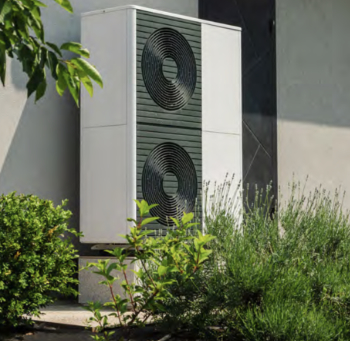
Technical Engineer runs through changes in regulations, innovations in materials, and product systems.
Awareness of the Carbon Border Adjustment Mechanism
What CBAM is and what to do about it.
The new towns and strategic environmental assessments

12 locations of the New Towns Taskforce reduced to 7 within the new towns draft programme and open consultation.

Buildings that changed the future of architecture. Book review.
The Sustainability Pathfinder© Handbook
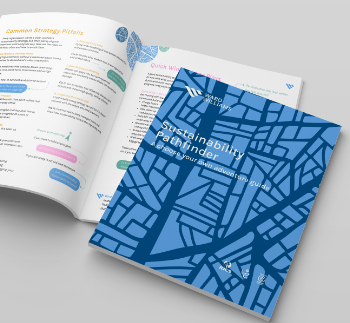
Built environment agency launches free Pathfinder© tool to help businesses progress sustainability strategies.
Government outcome to the late payment consultation, ECA reacts.
IHBC 2025 Gus Astley Student Award winners

Work on the role of hewing in UK historic conservation a win for Jack Parker of Oxford Brookes University.
Future Homes Building Standards and plug-in solar
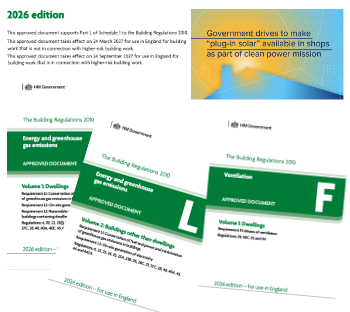
Parts F and L amendments, the availability of solar panels and industry responses.
How later living housing can help solve the housing crisis

Unlocking homes, unlocking lives.
Preparing safety case reports for HRBs under the BSA
A new practical guide to preparing structural inputs for safety cases and safety case reports published by IStructE.
Male construction workers and prostate cancer

CIOB and Prostate Cancer UK encourage awareness of prostate cancer risks, and what to do about it.