





Recognising culture as key to sustainable economic growth

In December 2025 Creative UK published its Provocation paper: Culture as Growth Infrastructure. Embedding cultural value in the UK's economic strategy. In it Creative UK makes clear recommendations for how Government can better measure impact of the cultural sector, as ‘driver of growth – not a drain on it’ highlighting where more investment could be made available for sector .
The paper drew on qualitative evidence gathered in two national evidence sessions led by Creative UK, in which academics and over 30 sector leaders presented evidence that cultural investment already delivers strong returns. The sessions also highlighted that a significant proportion of cultural finance remains short-term and grant-based, limiting its capacity to attract additional capital and to scale. Findings from academic research, alongside insights presented during the evidence sessions, demonstrate that the case for more strategic long-term investment could be made if there were better systems in place to measure the true economic impact of culture.
Recommendations included:
- For HM Treasury to embed the Culture and Heritage Capital (CHC) framework as Supplementary Guidance to the Green Book, supported by worked examples and Civil Service training materials. The Culture and Heritage Capital (CHC) framework was developed by the Department for Culture Media & Sport (DCMS), and establishes a consistent and credible approach to measuring cultural and social value, allowing cultural projects to be assessed within the same models used for other forms of public investment.
- For a national cultural infrastructure map setting out the location, use and condition of cultural assets, to identify where investment is most needed and track change over time;
- A short-term advisory body in the shape of a Cultural Infrastructure Commission, to forecast demand, assess risks and advise on long-term cultural investment priorities;
- For HMRC and DSIT to publish clear examples of how cultural organisations and creative innovation can qualify for existing R&D tax relief;
- Mobilising investment through the British Business Bank – by ensuring the British Business Bank’s Growth Guarantee Scheme’s eligibility criteria reflects the financial structures of cultural organisations so they can access appropriate debt finance;
- And financing cultural infrastructure through the National Wealth Fund.
Commenting on the report, Caroline Norbury, Chief Executive, Creative UK, said:
“For too many years, the cultural sector has come up against a pervasive and persistent myth: that theatre, music, museums, literature, opera, visual art and so many more incredible cultural assets are a ‘nice to have’ in our society. That culture is a cost to us, rather than an investment. This could not be further from the truth. As this paper rightly states, every pound spent on the UK’s incredible cultural output generates measurable gains in productivity, health and tax revenue. Concerts, plays, exhibitions – these boost local economies, and drive growth in every corner of the UK, whilst supporting wellbeing and social cohesion. This myth can be undercut once and for all, if we find better ways to tell the impact story. And when the value of culture is properly measured and understood, we open up opportunities for more investment in the sector, and in turn, more growth for the UK.”
The UK’s cultural sector generates around £38.2bn in GVA and delivers clear benefits for innovation, productivity and place-based regeneration, yet it remains under-recognised in public investment frameworks and is often treated as discretionary rather than integral to growth. The Culture and Heritage Capital (CHC) framework, aligned with the Treasury’s Green Book, provides a robust method for
measuring cultural and social value and demonstrates that culture already meets infrastructure-style investment criteria. Evidence from sector leaders, academics and finance institutions shows that cultural investment delivers strong returns but is constrained by short-term, grant-based funding and inconsistent appraisal standards, which limit its ability to attract and scale private capital. Recent government strategies—including the Modern Industrial Strategy, fiscal reforms, and the new Local Growth Fund—strengthen the case for treating culture as growth infrastructure, particularly within blended finance and place-based regeneration models.
To unlock this potential, the paper argues for embedding CHC consistently in Treasury appraisal, establishing a national cultural asset baseline, and reforming financing criteria to better align public, private and philanthropic capital around shared economic and social outcomes.
This article was issued via press release as "New paper from Creative UK calls on UK Government to recognise how culture is ‘key to sustainable economic growth’" dated 17 December 2025.
[edit] Related articles on Designing Buildings
- Areas for regeneration.
- Adopting a Culture of Health and Safety in Construction
- Architectural styles.
- Cultural integration.
- Cultural quarter.
- Cultural routes.
- Culture.
- Gentrification.
- Palace of Culture and Science.
- Placemaking.
- Quality culture and behaviours.
- Strategic cultural areas.
- The Country House: material culture and consumption.
- Urban regeneration.
Featured articles and news
Costs and insolvencies mount for SMEs, despite growth

Construction sector under insolvency and wage bill pressure in part linked to National Insurance, says report.
The place for vitrified clay pipes in modern infrastructure
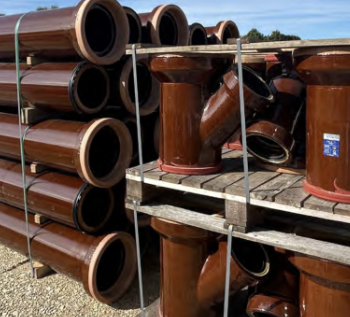
Why vitrified clay pipes are reclaiming their role in built projects.

Research by construction PR consultancy LMC published.
Roles and responsibilities of domestic clients

ACA Safety in Construction guide for domestic clients.
Fire door compliance in UK commercial buildings

Architect and manufacturer gives their low down.
Plumbing and heating for sustainability in new properties

Technical Engineer runs through changes in regulations, innovations in materials, and product systems.
Awareness of the Carbon Border Adjustment Mechanism
What CBAM is and what to do about it.
The new towns and strategic environmental assessments
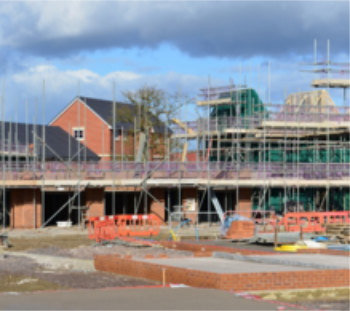
12 locations of the New Towns Taskforce reduced to 7 within the new towns draft programme and open consultation.
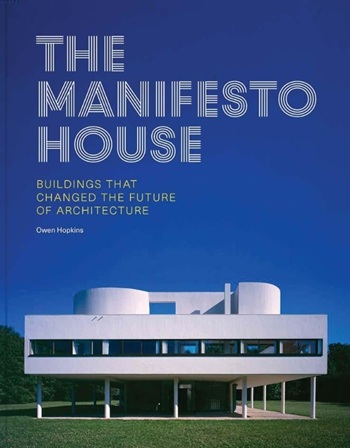
Buildings that changed the future of architecture. Book review.
The Sustainability Pathfinder© Handbook
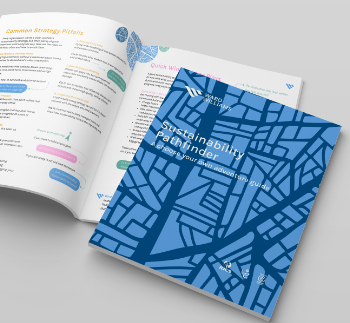
Built environment agency launches free Pathfinder© tool to help businesses progress sustainability strategies.
Government outcome to the late payment consultation, ECA reacts.
IHBC 2025 Gus Astley Student Award winners

Work on the role of hewing in UK historic conservation a win for Jack Parker of Oxford Brookes University.
Future Homes Building Standards and plug-in solar
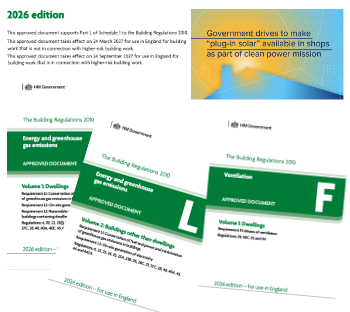
Parts F and L amendments, the availability of solar panels and industry responses.
How later living housing can help solve the housing crisis

Unlocking homes, unlocking lives.
Preparing safety case reports for HRBs under the BSA

A new practical guide to preparing structural inputs for safety cases and safety case reports published by IStructE.
Male construction workers and prostate cancer

CIOB and Prostate Cancer UK encourage awareness of prostate cancer risks, and what to do about it.