





Land assembly
Land assembly is the term used to describe the combining of multiple adjacent land parcels into a single, larger site to enable more comprehensive redevelopment. It is commonly used when multiple landowners collaborate to promote a strategic site through local plans, or in urban regeneration projects where higher density development is proposed.
Landowners may have a stronger chance of securing planning permission as a whole parcel than with smaller, fragmented proposals and as such it can be a strategic development approach. Though larger sites often incur higher costs for infrastructure such as roads, utilities, and drainage, the benefits of greater development potential and viability often outweigh these. There may also be further support for such larger scheme from government initiatives, such as for example the Labour governments drive to build 1.5 million homes, its new homes accelerator and its new towns taskforce. Which, it its interim report indicated that new towns should be a minimum of 10,000 homes.
A relatively well known issue, back in 2018 under the Conservative government a £1.3bn Land Assembly Fund was established for Homes England. The Government offered money to help public bodies clear a path through land ownership problems to get more homes built. The Communities Secretary at the time James Brokenshire described how issues such as complex land ownership, contamination, and infrastructure requirements, “can present real barriers to building homes where they are needed most”. The fund at the time intended to help release land to deliver 300,000 new homes a year by the mid-2020s.
In its guidance document 'Effective use of land' first published in 2019, the government highlights the importance of Land Assembly describing some of the powers and tools it has to support this where necessary. "What tools can local planning authorities use to assemble land in support of their planning and development objectives? Local planning authorities have a range of tools to support proactive land assembly. These include:
- Powers to acquire land compulsorily or by agreement;
- Powers to dispose of land in their ownership; and
- Powers to override easements and other rights in land.
The effectiveness of, and justification for, the use of these powers can be enhanced by having up-to-date plans, which articulate a vision and objectives for the future development of an area and policies to help achieve them."
In general, particularly in the private sector, successful land assembly will depend on close cooperation and well-structured agreements between landowners. Collaboration and equalisation agreements can help ensure infrastructure costs are shared fairly and that future proceeds are distributed transparently, avoiding disputes once planning is achieved. Clear upfront agreements on costs and profit-sharing are critical for maintaining trust and aligning interests.
[edit] Related articles on Designing Buildings
- Area.
- Are new towns the future or the past? The role of land assembly in reawakening a vision
- Brownfield land.
- Building.
- Contaminated land.
- Conveyancing.
- Glossary of property law terms.
- Green belt.
- Greenfield land.
- Land.
- Land acquisition.
- Land law.
- Land registry.
- Land use.
- Land value.
- Level.
- Location.
- Metropolitan open land (MOL).
- Place.
- Planning permission.
- Premises.
- Property.
- Real estate.
- Rights over land.
- Right to access land.
- Space.
- Stamp duty.
- Types of land.
- Types of place.
- Urban.
- Use class.
- What is an estate?
Featured articles and news
Costs and insolvencies mount for SMEs, despite growth

Construction sector under insolvency and wage bill pressure in part linked to National Insurance, says report.
The place for vitrified clay pipes in modern infrastructure
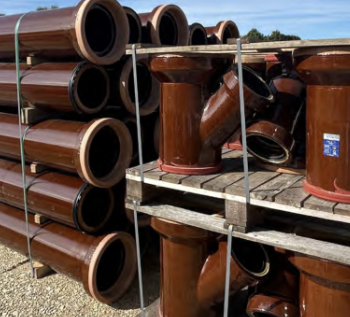
Why vitrified clay pipes are reclaiming their role in built projects.

Research by construction PR consultancy LMC published.
Roles and responsibilities of domestic clients

ACA Safety in Construction guide for domestic clients.
Fire door compliance in UK commercial buildings

Architect and manufacturer gives their low down.
Plumbing and heating for sustainability in new properties

Technical Engineer runs through changes in regulations, innovations in materials, and product systems.
Awareness of the Carbon Border Adjustment Mechanism
What CBAM is and what to do about it.
The new towns and strategic environmental assessments
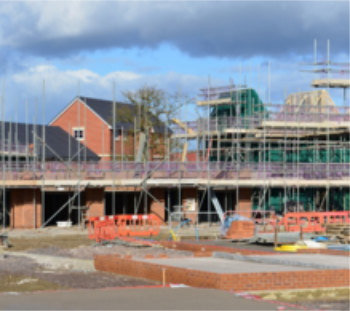
12 locations of the New Towns Taskforce reduced to 7 within the new towns draft programme and open consultation.

Buildings that changed the future of architecture. Book review.
The Sustainability Pathfinder© Handbook
Built environment agency launches free Pathfinder© tool to help businesses progress sustainability strategies.

Government outcome to the late payment consultation, ECA reacts.
IHBC 2025 Gus Astley Student Award winners

Work on the role of hewing in UK historic conservation a win for Jack Parker of Oxford Brookes University.
Future Homes Building Standards and plug-in solar
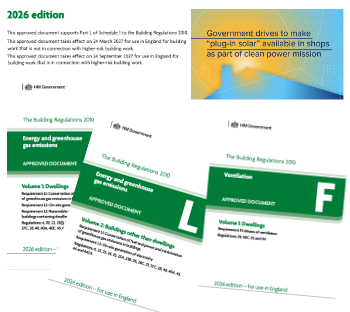
Parts F and L amendments, the availability of solar panels and industry responses.
How later living housing can help solve the housing crisis

Unlocking homes, unlocking lives.
Preparing safety case reports for HRBs under the BSA
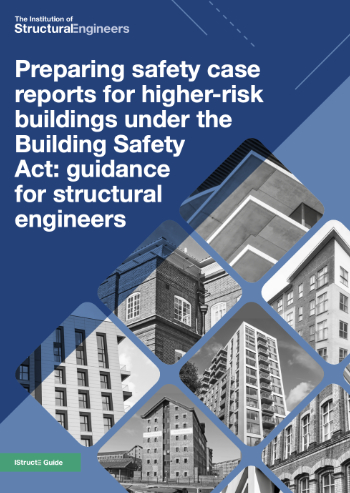
A new practical guide to preparing structural inputs for safety cases and safety case reports published by IStructE.
Male construction workers and prostate cancer

CIOB and Prostate Cancer UK encourage awareness of prostate cancer risks, and what to do about it.