





Exposure
In its broadest sense, the word ‘exposure’ refers to a state of being vulnerable to something harmful, or the degree of protection of something from negative impacts – such as the weather, or economic changes.
A Guide To Climate Change Impacts, On Scotland’s Historic Environment, published by Historic Environment Scotland in October 2019, defines exposure as: ‘The natural features of an asset’s position within the landscape that render it vulnerable to harm or damage.’
Water safety in buildings, published by the World Health Organization in 2011, defines exposure as the: ‘Concentration or amount of a particular agent that reaches a target organism, system or (sub)population in a specific frequency for a defi ned duration (WHO, 2004a).’
Advice for Building Owners of Multi-storey, Multi-occupied Residential Buildings, published in January 2020 by the Ministry of Housing, Communities and Local Government, states: ‘There is no prescribed definition of an exposed location but typically this would include buildings in an elevated or hill-top location, sea side locations, areas where the surrounding terrain will not provide sheltering from wind, or a combination of these factors. In dense cities, funnelling will need to be considered which could increase the wind effect.’
Global Warming of 1.5 ºC, Glossary, published by the Intergovernmental Panel on Climate Change (IPCC) in 2018, defines exposure as: ‘The presence of people; livelihoods; species or ecosystems; environmental functions, services, and resources; infrastructure; or economic, social, or cultural assets in places and settings that could be adversely affected.’
The English Housing Survey captures data regarding site exposure of the dwelling. This is different to exposure zones, which indicate the approximate amount of wind driven rain which the building may be subject to. In the EHS, 4 categories of site exposure are recorded as:
- Not exposed: The dwelling is in a sheltered position, possibly surrounded by other buildings or trees or tucked away in a valley.
- Slightly exposed: The dwelling is quite sheltered but may be buffeted by winds from time to time.
- Exposed: The dwelling is open to the elements, possibly on all 4 sides with little shelter provided by other buildings or natural obstacles.
- Very exposed: The dwelling is permanently exposed to the worst that the English elements can offer. Cliff top houses and isolated hill farms might fall into this category.
Exposure can also refer to the revelation of a secret or something that was concealed.
[edit] Related articles on Designing Buildings
Featured articles and news
Costs and insolvencies mount for SMEs, despite growth
Construction sector under insolvency and wage bill pressure in part linked to National Insurance, says report.
The place for vitrified clay pipes in modern infrastructure
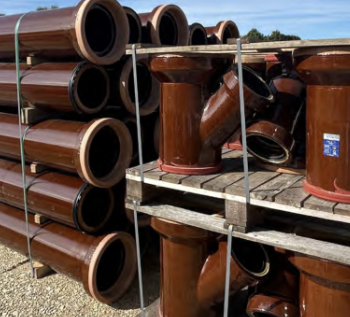
Why vitrified clay pipes are reclaiming their role in built projects.

Research by construction PR consultancy LMC published.
Roles and responsibilities of domestic clients

ACA Safety in Construction guide for domestic clients.
Fire door compliance in UK commercial buildings

Architect and manufacturer gives their low down.
Plumbing and heating for sustainability in new properties
Technical Engineer runs through changes in regulations, innovations in materials, and product systems.
Awareness of the Carbon Border Adjustment Mechanism
What CBAM is and what to do about it.
The new towns and strategic environmental assessments
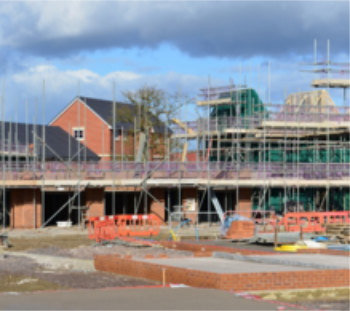
12 locations of the New Towns Taskforce reduced to 7 within the new towns draft programme and open consultation.
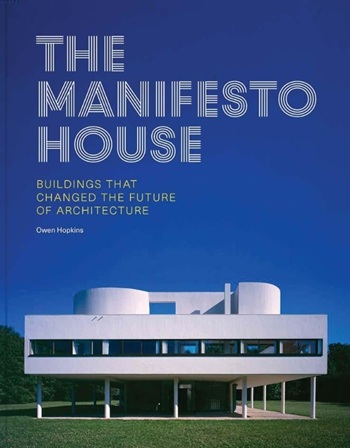
Buildings that changed the future of architecture. Book review.
The Sustainability Pathfinder© Handbook
Built environment agency launches free Pathfinder© tool to help businesses progress sustainability strategies.

Government outcome to the late payment consultation, ECA reacts.
IHBC 2025 Gus Astley Student Award winners

Work on the role of hewing in UK historic conservation a win for Jack Parker of Oxford Brookes University.
Future Homes Building Standards and plug-in solar
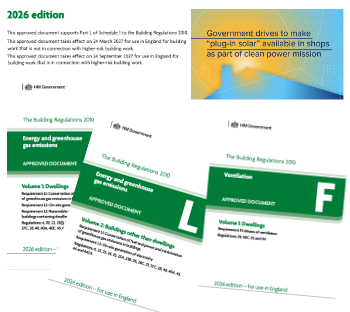
Parts F and L amendments, the availability of solar panels and industry responses.
How later living housing can help solve the housing crisis
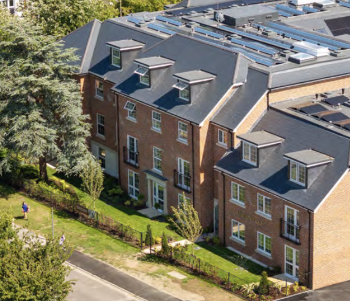
Unlocking homes, unlocking lives.
Preparing safety case reports for HRBs under the BSA
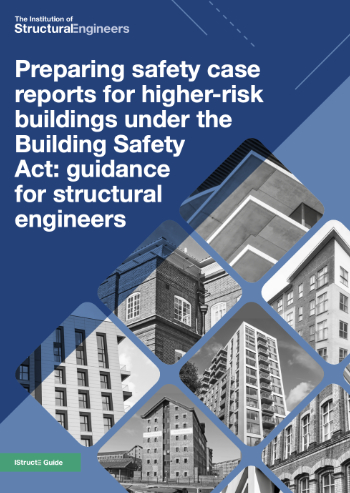
A new practical guide to preparing structural inputs for safety cases and safety case reports published by IStructE.
Male construction workers and prostate cancer

CIOB and Prostate Cancer UK encourage awareness of prostate cancer risks, and what to do about it.