





Constructon dissertation guide part 3 - Research strategy
This is part of a series of Construction Dissertation Guides for students. Click here for the whole series.

After collating relevant material and deciding on a focus for the analysis, the next stage is to design an appropriate research strategy, that is, the way in which the research objectives can be questioned.
Very broadly, there are two types of research strategies available – ‘quantitative’ and ‘qualitative’.
Contents |
[edit] Quantitative
Quantitative research is an objective measure of definable factual evidence such as numbers and statistics that are capable of being analysed to determine the validity of a hypothesis.
Quantitative research can be used deductively to test a theory that can be presented in one of two ways:
- A hypothetical statement such as ‘if x then y’.
- An educated ‘guess’.
Data accumulated through the research process should help to prove or disprove the hypothesis.
[edit] Qualitative
Qualitative research is a more subjective measure of descriptions, views, opinions, and alternative theories. Depending on the approach taken, the research may use a smaller sample than quantitative research, but the data obtained can be more personal and in-depth. The relationship between the theory and the research is emergent or developing.
Broadly, the two categories of qualitative research are exploratory and attitudinal:
- Exploratory research is used primarily to gain a greater understanding of a particular subject. It is useful for diagnosing a situation, considering alternative ideas and discovering new ones that haven’t been previously considered. The most common method of exploratory research is interviewing, where the raw data will be the transcribed answers. Another common method is a questionnaire (usually with open-ended questions).
- Attitudinal research is used to evaluate the opinions or views of individuals in a way that is subjective. Examples are questions that ask the individual to express their level of agreement with a statement, or to rank preferences.
[edit] Data collection strategies
[edit] Primary data collection
The main approaches to primary data collection are:
[edit] Surveys
Used to gather data from a large sample size within a defined time frame. Surveys can be descriptive, asking what?, where?, when?, and so on, or analytical, establishing the relationship between attributes of the survey.
[edit] Case studies
A small number of specific example analysed as a means of supporting the overall argument. Conclusions drawn will be related to the particular case studies and may not be easily generalised to the rest of the industry.
[edit] Problem-solving / experimentation
This is a more action-based option, where certain changes are introduced/proposed and the impacts observed and analysed. This may for example involve experimentation. Particular skills, and sometimes equipment can be required for problem-solving research and so it is not always suited to the time and resource restrictions of a dissertation project.
[edit] Secondary data collection
The data (statistical and/or descriptive) is sourced and accumulated from others rather than being obtained first-hand. It can be used to substantiate or clarify points being made by the researcher. This can be more efficient an approach in terms of time and cost, and can also assist in terms of useful comparisons between data collected via the primary methods. However, it may be more difficult to develop independent conclusions, and may not demonstrate to examiners that the researcher has the ability to accumulate primary data.
[edit] Statistical
These can be found in libraries and online, such as those conducted and published by leading institutions including RIBA, RTPI, BRE, CIOB, RIBA, CIRIA, ICE, IStructE, CIBSE and so on. See Construction industry institutes and associations for more information.
[edit] Descriptive
This is similar to analysing content during the literature review. With an eye on how relevant, factually accurate and reliable it is.
[edit] Check your approach
It is very important at this stage that you discuss your approach with your supervisor to ensure it is suitable before proceeding with the actual research.
Continue to the next stage: Questionnaires and interviews.
Featured articles and news
Costs and insolvencies mount for SMEs, despite growth

Construction sector under insolvency and wage bill pressure in part linked to National Insurance, says report.
The place for vitrified clay pipes in modern infrastructure
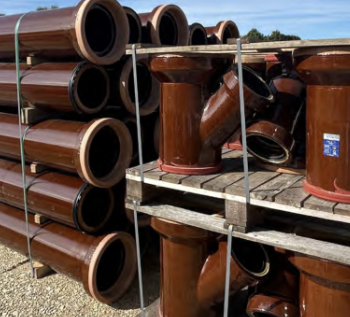
Why vitrified clay pipes are reclaiming their role in built projects.

Research by construction PR consultancy LMC published.
Roles and responsibilities of domestic clients

ACA Safety in Construction guide for domestic clients.
Fire door compliance in UK commercial buildings

Architect and manufacturer gives their low down.
Plumbing and heating for sustainability in new properties

Technical Engineer runs through changes in regulations, innovations in materials, and product systems.
Awareness of the Carbon Border Adjustment Mechanism
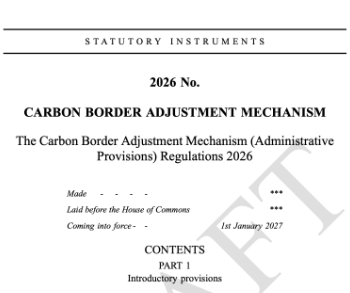
What CBAM is and what to do about it.
The new towns and strategic environmental assessments

12 locations of the New Towns Taskforce reduced to 7 within the new towns draft programme and open consultation.

Buildings that changed the future of architecture. Book review.
The Sustainability Pathfinder© Handbook
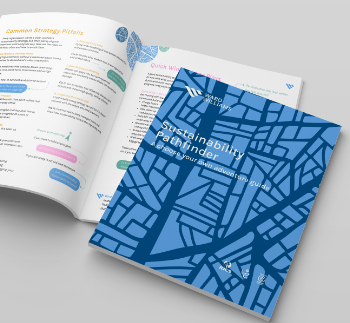
Built environment agency launches free Pathfinder© tool to help businesses progress sustainability strategies.

Government outcome to the late payment consultation, ECA reacts.
IHBC 2025 Gus Astley Student Award winners

Work on the role of hewing in UK historic conservation a win for Jack Parker of Oxford Brookes University.
Future Homes Building Standards and plug-in solar

Parts F and L amendments, the availability of solar panels and industry responses.
How later living housing can help solve the housing crisis

Unlocking homes, unlocking lives.
Preparing safety case reports for HRBs under the BSA
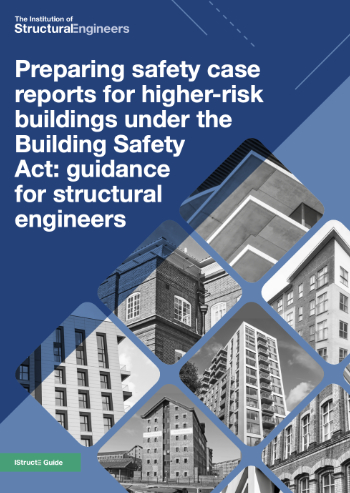
A new practical guide to preparing structural inputs for safety cases and safety case reports published by IStructE.
Male construction workers and prostate cancer

CIOB and Prostate Cancer UK encourage awareness of prostate cancer risks, and what to do about it.