






Cycle storage
For the purposes of the Home Quality Mark, cycles may be stored in any of the following locked structures:
- Garages or sheds.
- Internal private spaces, such as dedicated spaces in a utility room.
- External or internal communal cycle stores.
- Proprietary systems.
Communal cycle storage should meet the following criteria:
- Spaces should be in racks that are covered overhead, and the racks should be fixed to a permanent structure (such as a building or hardstanding).
- Where the location is external to the home, access from the bike storage area to a pedestrian or cycle route is not permitted through the home.
The distance between each cycle rack and surrounding obstructions (e.g. walls) should allows for bikes to be easily stored and accessed.
Cycle racks must be a minimum of:
- 2m long × 0.75m wide for one bike.
- 2m long × 1.5m wide for two bikes.
- 2m long × 2.5m wide for four bikes.
- If hanging systems or proprietary systems are provided, the space requirements are flexible but the system must allow each cycle to be removed independently.
Cycle storage in communal locations should have adequate lighting that must be controlled during daylight hours.
Ref Home Quality Mark One, Technical Manual SD239, England, Scotland & Wales, published by BRE in 2018.
[edit] Related articles on Designing Buildings Wiki
- Are electric bikes the future?
- BRE articles.
- BREEAM Cyclist Facilities.
- BREEAM.
- Car sharing
- China has just built the world’s longest elevated cycle path.
- CIBSE Case Study Olympic Velodrome.
- Cycling and walking plan.
- Cycle route.
- Dedicated and safe cycle lane.
- Home Quality Mark.
- London car charging infrastructure.
- Sustainable transport.
Featured articles and news
Costs and insolvencies mount for SMEs, despite growth
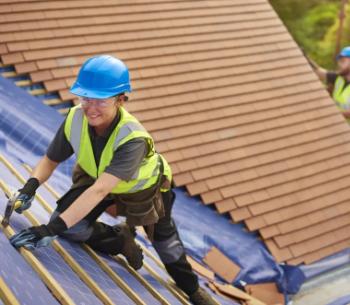
Construction sector under insolvency and wage bill pressure in part linked to National Insurance, says report.
The place for vitrified clay pipes in modern infrastructure
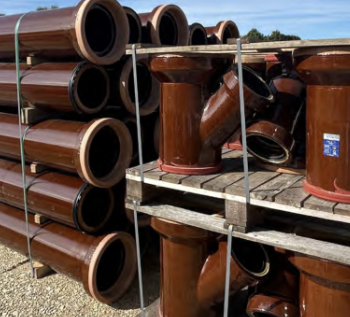
Why vitrified clay pipes are reclaiming their role in built projects.
Research by construction PR consultancy LMC published.
Roles and responsibilities of domestic clients
ACA Safety in Construction guide for domestic clients.
Fire door compliance in UK commercial buildings

Architect and manufacturer gives their low down.
Plumbing and heating for sustainability in new properties
Technical Engineer runs through changes in regulations, innovations in materials, and product systems.
Awareness of the Carbon Border Adjustment Mechanism
What CBAM is and what to do about it.
The new towns and strategic environmental assessments
12 locations of the New Towns Taskforce reduced to 7 within the new towns draft programme and open consultation.

Buildings that changed the future of architecture. Book review.
The Sustainability Pathfinder© Handbook
Built environment agency launches free Pathfinder© tool to help businesses progress sustainability strategies.

Government outcome to the late payment consultation, ECA reacts.
IHBC 2025 Gus Astley Student Award winners

Work on the role of hewing in UK historic conservation a win for Jack Parker of Oxford Brookes University.
Future Homes Building Standards and plug-in solar
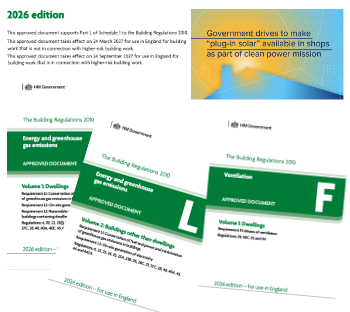
Parts F and L amendments, the availability of solar panels and industry responses.
How later living housing can help solve the housing crisis
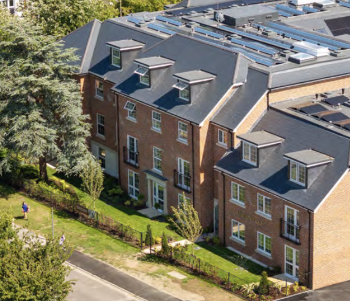
Unlocking homes, unlocking lives.
Preparing safety case reports for HRBs under the BSA
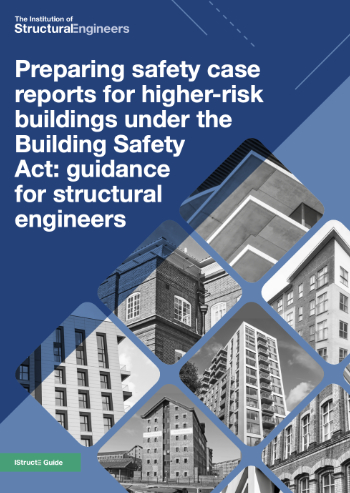
A new practical guide to preparing structural inputs for safety cases and safety case reports published by IStructE.
Male construction workers and prostate cancer

CIOB and Prostate Cancer UK encourage awareness of prostate cancer risks, and what to do about it.