





Brick tax
King George III introduced a brick tax in Great Britain in 1784. Bricks were initially taxed at 2s 6d per thousand.
The brick tax was imposed as a means of raising revenue for the government, which was burdened by the costs of the American War of Independence and ongoing military expenditure. The tax applied to each brick manufactured, effectively increasing the cost of construction materials across the country.
Builders and architects responded in various ways to minimise the financial impact of the tax. Some resorted to producing larger bricks, thereby reducing the number needed for a given structure and lowering the overall tax liability. Others experimented with alternative building materials, including timber, stone, and earth, leading to a noticeable shift in construction practices in certain regions. The quality and uniformity of bricks also suffered, as manufacturers sought to cut costs while remaining within the bounds of the law.
The brick tax influenced the appearance of towns and cities, as decorative brickwork became less common due to its additional expense. Simple, plain facades became the norm, and the visual character of Georgian architecture was altered in areas where brick was the dominant building material. The tax remained in place for more than sixty years, only being repealed in 1850, but its effects on construction techniques and urban aesthetics were felt long after its abolition.
During its existence, the brick tax became a symbol of government interference in everyday life and was widely unpopular among builders and homeowners alike. Historical accounts suggest that some manufacturers even resorted to clandestine methods to evade the tax, such as smuggling bricks or underreporting quantities, highlighting the tensions between regulation and practical necessity in the built environment.
[edit] Related articles on Designing Buildings
Featured articles and news
Costs and insolvencies mount for SMEs, despite growth

Construction sector under insolvency and wage bill pressure in part linked to National Insurance, says report.
The place for vitrified clay pipes in modern infrastructure
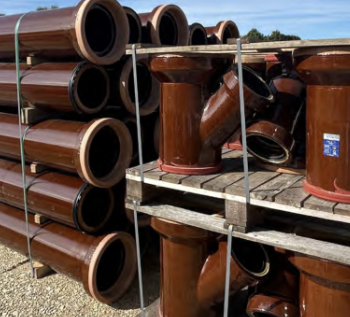
Why vitrified clay pipes are reclaiming their role in built projects.

Research by construction PR consultancy LMC published.
Roles and responsibilities of domestic clients

ACA Safety in Construction guide for domestic clients.
Fire door compliance in UK commercial buildings

Architect and manufacturer gives their low down.
Plumbing and heating for sustainability in new properties

Technical Engineer runs through changes in regulations, innovations in materials, and product systems.
Awareness of the Carbon Border Adjustment Mechanism
What CBAM is and what to do about it.
The new towns and strategic environmental assessments
12 locations of the New Towns Taskforce reduced to 7 within the new towns draft programme and open consultation.
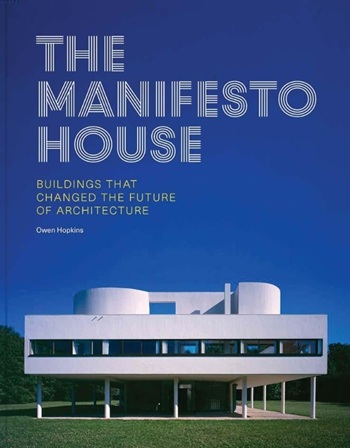
Buildings that changed the future of architecture. Book review.
The Sustainability Pathfinder© Handbook
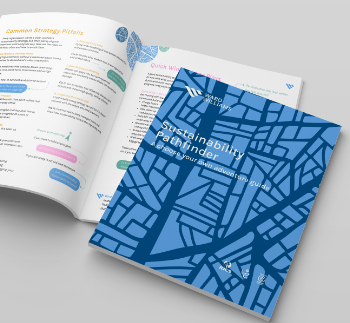
Built environment agency launches free Pathfinder© tool to help businesses progress sustainability strategies.
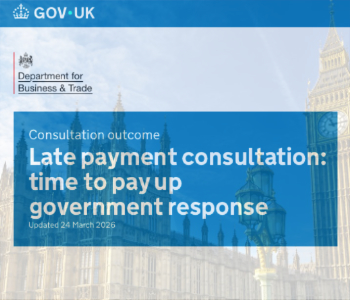
Government outcome to the late payment consultation, ECA reacts.
IHBC 2025 Gus Astley Student Award winners

Work on the role of hewing in UK historic conservation a win for Jack Parker of Oxford Brookes University.
Future Homes Building Standards and plug-in solar
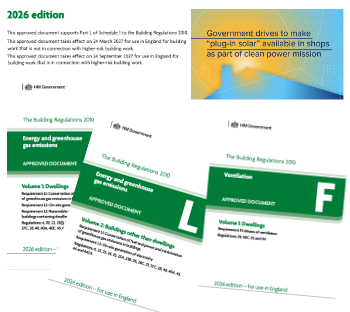
Parts F and L amendments, the availability of solar panels and industry responses.
How later living housing can help solve the housing crisis
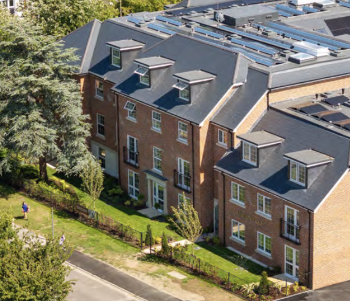
Unlocking homes, unlocking lives.
Preparing safety case reports for HRBs under the BSA
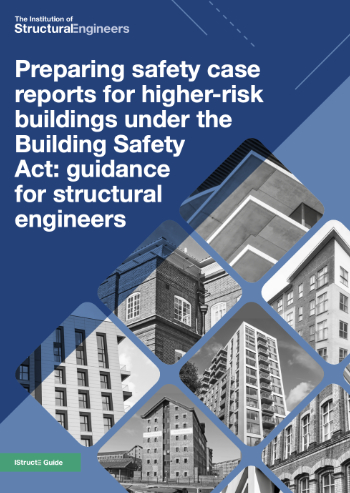
A new practical guide to preparing structural inputs for safety cases and safety case reports published by IStructE.
Male construction workers and prostate cancer

CIOB and Prostate Cancer UK encourage awareness of prostate cancer risks, and what to do about it.