





Payment terms
Payment terms in a construction contract in the UK can vary but typically include several key elements to ensure clarity and proper compensation for the work performed. Some common payment terms might include:
- A payment schedule outlining the timing of payments, such as monthly, bi-monthly, or upon completion of specific project milestones. Typically interim payments will be made at intervals during the project based on completed stages or milestones and details the amount and timing of the final payment upon satisfactory completion of the entire project.
- Retention is a percentage (commonly 5-10%) of each payment retained by the employer until the project reaches practical completion.
- Valuation dates and payment notices outlines the procedures for issuing payments, the amount due for payment and any deductions. In the UK this is regulated by the Housing Grants, Construction and Regeneration Act.
- Variation terms, covering the process for handling changes or additional work, including how these changes are valued and paid for.
- Dispute resolution procedures, outlining procedures for resolving disputes related to payments, such as mediation or arbitration.
- Interest on late payments to be charged if payments are made after the agreed-upon deadline.
- Fluctuations to account for inflation.
- Damages to be paid in the event of breach of contract, such as failure to complete the project by the date set in the contract.
These terms are essential to ensure a clear understanding of how and when payments will be made throughout the construction project, reducing the likelihood of disputes and ensuring fair compensation for the work completed by the contractor.
[edit] Related articles on Designing Buildings
- Contract clauses.
- Fair payment practices.
- Fluctuation.
- Housing Grants, Construction and Regeneration Act.
- The Late Payment of Commercial Debts Regulations 2013.
- Payment notice.
- Project bank accounts.
- Prompt payment code.
- Retention.
- Scheme for construction contracts.
- Small Business, Enterprise and Employment Bill.
- The causes of late payment in construction.
- Variations.
Featured articles and news
Costs and insolvencies mount for SMEs, despite growth

Construction sector under insolvency and wage bill pressure in part linked to National Insurance, says report.
The place for vitrified clay pipes in modern infrastructure
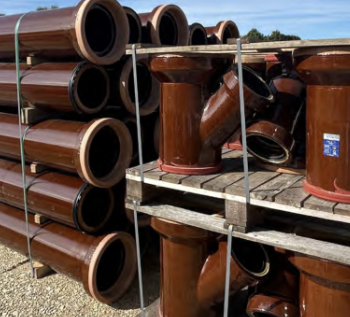
Why vitrified clay pipes are reclaiming their role in built projects.

Research by construction PR consultancy LMC published.
Roles and responsibilities of domestic clients

ACA Safety in Construction guide for domestic clients.
Fire door compliance in UK commercial buildings

Architect and manufacturer gives their low down.
Plumbing and heating for sustainability in new properties

Technical Engineer runs through changes in regulations, innovations in materials, and product systems.
Awareness of the Carbon Border Adjustment Mechanism
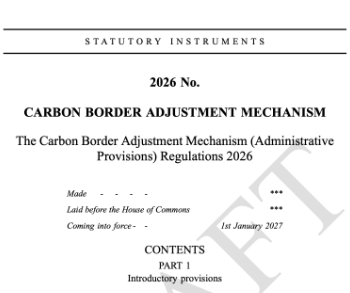
What CBAM is and what to do about it.
The new towns and strategic environmental assessments
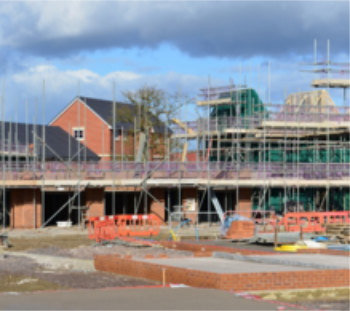
12 locations of the New Towns Taskforce reduced to 7 within the new towns draft programme and open consultation.

Buildings that changed the future of architecture. Book review.
The Sustainability Pathfinder© Handbook
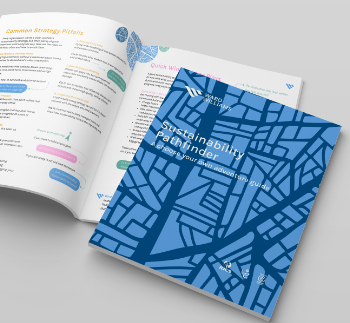
Built environment agency launches free Pathfinder© tool to help businesses progress sustainability strategies.
Government outcome to the late payment consultation, ECA reacts.
IHBC 2025 Gus Astley Student Award winners

Work on the role of hewing in UK historic conservation a win for Jack Parker of Oxford Brookes University.
Future Homes Building Standards and plug-in solar
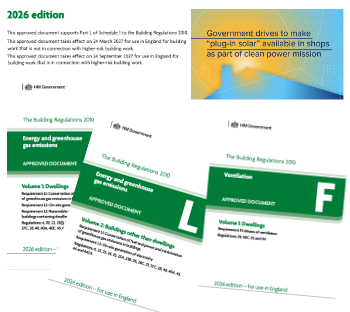
Parts F and L amendments, the availability of solar panels and industry responses.
How later living housing can help solve the housing crisis

Unlocking homes, unlocking lives.
Preparing safety case reports for HRBs under the BSA
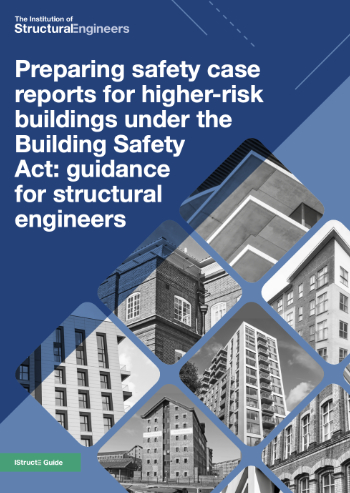
A new practical guide to preparing structural inputs for safety cases and safety case reports published by IStructE.
Male construction workers and prostate cancer

CIOB and Prostate Cancer UK encourage awareness of prostate cancer risks, and what to do about it.