





Deforestation

Contents |
[edit] Introduction
Deforestation can be defined as the permanent removal of woodland areas and forest vegetation in order to repurpose the land. It is also sometimes referred to as forest clearance.
There are instances when the extraction of timber is not considered deforestation. This occurs in places where it is required to replant or to permit natural regeneration in harvested areas - thus, the land is not repurposed.
[edit] Human methods of deforestation
Intentional forest clearances driven by human factors may be conducted so the land can be prepared for non-forest uses such as:
- Resource extraction such as mining, logging for lumber, charcoal, building materials and paper production.
- Agricultural development for conversion into plantations and other types of farmland.
- Urbanisation for the creation of housing, roads and other infrastructure to support community development.
[edit] Natural forest clearances
Natural causes are sometimes associated with temporary forest clearances. These causes are not considered forms of deforestation, since the areas are generally allowed to return to their natural (pre clearance) state.
Natural clearance occurrences may include:
- Extreme weather such as flooding or drought.
- Fire brought on by lightning or extremely dry conditions.
- Parasites and other types of disease.
While natural forms of forest clearance may be unintentional, they are sometimes associated with conditions brought about by human activity and climate change. These actions might make it more difficult for the forest to return to its original state.
[edit] Consequences of deforestation
Deforestation results in serious negative impacts for forest biodiversity. The Food and Agriculture Organisation (FAO) estimated that 13 million hectares of forest are lost each year to deforestation, which in itself has a significant impact on species.
Other consequences of deforestation are associated with the decrease in trees available to absorb carbon dioxide. This may include increases in greenhouse gas emission in the air and levels of acidity in oceans, resulting in possible changes to ecosystems and the climate.
Related issues include soil erosion, flooding and disruptions to water cycles.
Indirect consequences can include increased levels of water pollution from new activities such as mining and agricultural runoff.
[edit] Related articles on Designing Buildings
Featured articles and news
Costs and insolvencies mount for SMEs, despite growth

Construction sector under insolvency and wage bill pressure in part linked to National Insurance, says report.
The place for vitrified clay pipes in modern infrastructure
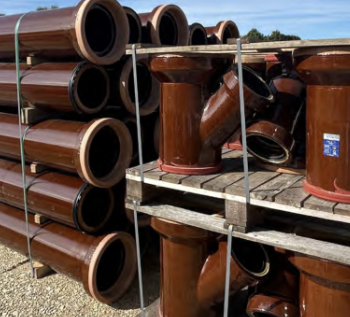
Why vitrified clay pipes are reclaiming their role in built projects.

Research by construction PR consultancy LMC published.
Roles and responsibilities of domestic clients

ACA Safety in Construction guide for domestic clients.
Fire door compliance in UK commercial buildings

Architect and manufacturer gives their low down.
Plumbing and heating for sustainability in new properties

Technical Engineer runs through changes in regulations, innovations in materials, and product systems.
Awareness of the Carbon Border Adjustment Mechanism
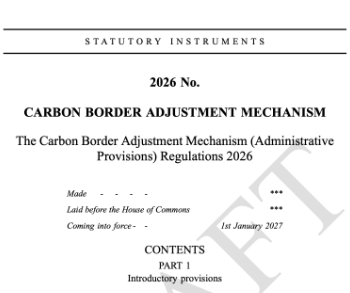
What CBAM is and what to do about it.
The new towns and strategic environmental assessments
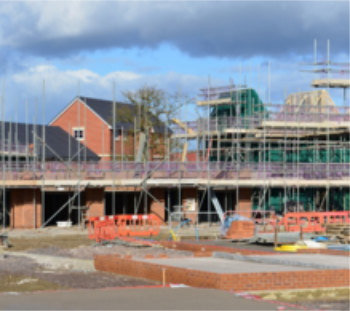
12 locations of the New Towns Taskforce reduced to 7 within the new towns draft programme and open consultation.

Buildings that changed the future of architecture. Book review.
The Sustainability Pathfinder© Handbook
Built environment agency launches free Pathfinder© tool to help businesses progress sustainability strategies.

Government outcome to the late payment consultation, ECA reacts.
IHBC 2025 Gus Astley Student Award winners

Work on the role of hewing in UK historic conservation a win for Jack Parker of Oxford Brookes University.
Future Homes Building Standards and plug-in solar
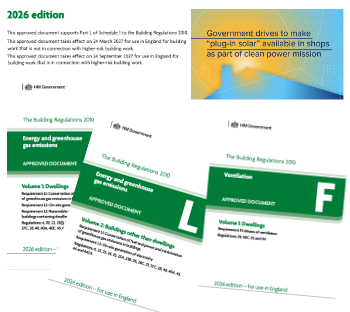
Parts F and L amendments, the availability of solar panels and industry responses.
How later living housing can help solve the housing crisis

Unlocking homes, unlocking lives.
Preparing safety case reports for HRBs under the BSA
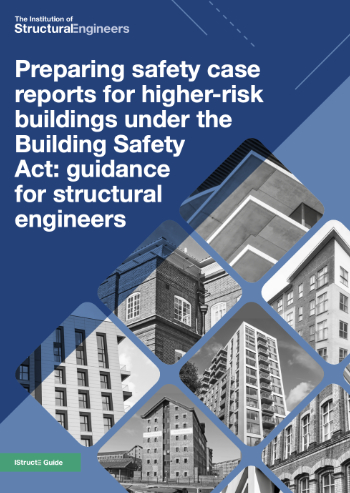
A new practical guide to preparing structural inputs for safety cases and safety case reports published by IStructE.
Male construction workers and prostate cancer

CIOB and Prostate Cancer UK encourage awareness of prostate cancer risks, and what to do about it.