





Client requirements
The client's requirements for a project might initially include a vision, mission and objectives for what they wish the project to achieve. They might first be explored by a client when they identify a need which might result in the requirement for a certain equilibrium that has been neutralised and factored into the equation.
A statement of need, might then be prepared which is a first attempt to describe the possible requirements of the project. This may or may not result in the development of a new project.
See Statement of need for more information.
If the project does proceed, the client may then develop their requirements into a strategic brief. Initially, this just describes the client's requirements in sufficient detail to allow the appointment of consultants (such as an architect, engineers and so on). Once consultants are appointed, the strategic brief may be developed further to allow feasibility studies and options appraisals to be carried out.
See Strategic brief for more information.
Once the preferred option for the project has been selected, the strategic brief is typically developed into a full project brief. This is the key document upon which the design will be based.
See Project brief for more information
- The RIBA Plan of Work 2020 suggests that the client requirements are: 'A statement or document that defines the Project Outcomes and sets out what the client is seeking to achieve. It is used to develop the Business Case, which examines any viable options that meet the Client Requirements.' It goes on to suggest that: 'The Client Requirements set out what the client is trying to achieve. For example, two residential clients might have the same Spatial Requirements (say, a new kitchen and an extra bedroom); however, one might be about to sell their property and is looking to increase its sale price while the other has a new baby and wants to consolidate their position close to good local schools. While the Spatial Requirements for both clients are the same, it is unlikely that their desired Project Outcomes will be the same, so a different Business Case and Project Budget is required for each. The Client Requirements allow the project team to explore viable options, determine the pros and cons for each and, ultimately, recommend the option best suited to deliver the Client Requirements. When this recommendation constitutes a project, and it is signed off by the client, the more nuanced and detailed Project Brief can be prepared.'
- The term 'Employer's requirements' refers to the formal client's requirements on design and build projects or on a traditional contract where the contractor is to design discrete parts of the works. See Employer's requirements for more information.
[edit] Related articles on Designing Buildings Wiki
Featured articles and news
Costs and insolvencies mount for SMEs, despite growth

Construction sector under insolvency and wage bill pressure in part linked to National Insurance, says report.
The place for vitrified clay pipes in modern infrastructure
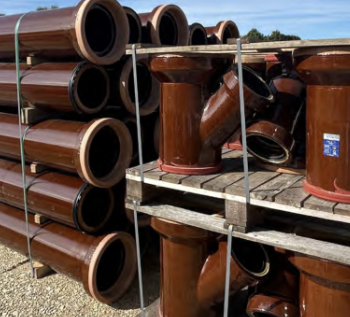
Why vitrified clay pipes are reclaiming their role in built projects.
Research by construction PR consultancy LMC published.
Roles and responsibilities of domestic clients
ACA Safety in Construction guide for domestic clients.
Fire door compliance in UK commercial buildings

Architect and manufacturer gives their low down.
Plumbing and heating for sustainability in new properties

Technical Engineer runs through changes in regulations, innovations in materials, and product systems.
Awareness of the Carbon Border Adjustment Mechanism
What CBAM is and what to do about it.
The new towns and strategic environmental assessments
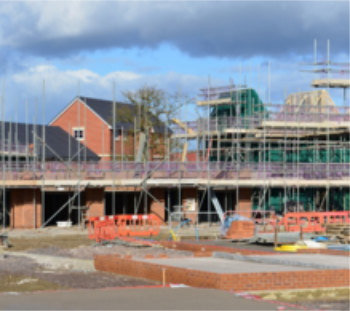
12 locations of the New Towns Taskforce reduced to 7 within the new towns draft programme and open consultation.
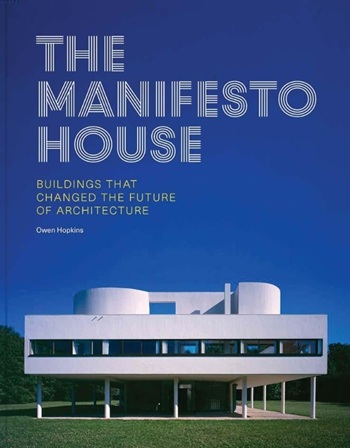
Buildings that changed the future of architecture. Book review.
The Sustainability Pathfinder© Handbook
Built environment agency launches free Pathfinder© tool to help businesses progress sustainability strategies.
Government outcome to the late payment consultation, ECA reacts.
IHBC 2025 Gus Astley Student Award winners
Work on the role of hewing in UK historic conservation a win for Jack Parker of Oxford Brookes University.
Future Homes Building Standards and plug-in solar
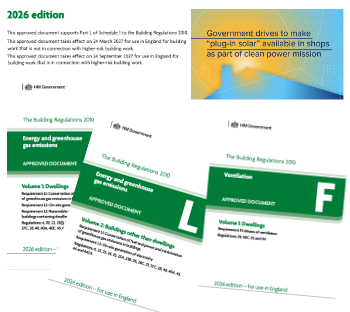
Parts F and L amendments, the availability of solar panels and industry responses.
How later living housing can help solve the housing crisis
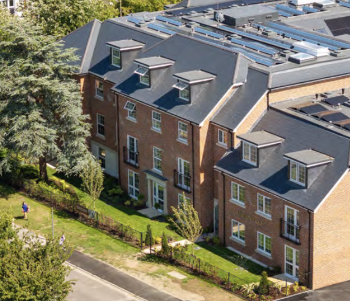
Unlocking homes, unlocking lives.
Preparing safety case reports for HRBs under the BSA
A new practical guide to preparing structural inputs for safety cases and safety case reports published by IStructE.
Male construction workers and prostate cancer

CIOB and Prostate Cancer UK encourage awareness of prostate cancer risks, and what to do about it.