





Building for life
Built for Life is an industry standard for well-designed homes and neighbourhoods which is endorsed by the government. Accreditation gives consumers confidence that important aspects of design have been considered.
The Built for Life quality mark is 'the sign of a good place to live with new well designed homes & neighbourhoods'
The scheme is led by three partners:
It developed out of policies in the National Planning Policy Framework (NPPF) and the government’s commitment to construct more homes, better homes and to involve local communities in the planning process. It guides the local community, local authority and other stakeholders in design related issues, helping gauge the quality of proposed and completed developments. The aim is to produce beautiful, functional and sustainable places to live.
It is based on a traffic light system. The more green lights a development attains the better it should be. Amber suggests areas of a development that could be improved and red warns that an aspect of the development needs to be reconsidered. The assessment is intended to stimulate further dialogue between communities, the project team, the local authority and other stakeholders.
Building for Life 12 (BfL 12) sets out the main considerations of the scheme:
- Connections – integrating the development into the surroundings by reinforcing existing connections and creating new ones. Respecting the land and existing buildings of the site.
- Facilities and services – ensuring the development is near to parks, schools, workplaces, community facilities and so on.
- Public transport – good access to different modes of public transport to reduce dependency on cars.
- Meeting local housing requirements – a mix of houses to meet local demand.
- Character –a place with a locally inspired and unique character.
- Working with the site and its context – making use of the local landscape, climate and existing topography.
- Creating well defined streets and spaces – plots organised to form an attractive development.
- Easy to find your way around – well thought out layout to encourage walking, and making it easy to locate and find things.
- Streets for all – creating streets that can be social spaces and that encourage lower vehicle speeds for safety.
- Car parking – providing enough parking for residents and visitors so that vehicles do not dominate the streets.
- Public and private spaces – clearly defined areas, well governed and safe.
- External storage and amenity space – providing space for vehicles, cycles, bins and recycling.
Diamond status is awarded to new developments that meet all 12 of these requirements.
[edit] Related articles on Designing Buildings Wiki
- Building for a Healthy Life BHL.
- Changing lifestyles.
- Design Council CABE.
- Design for Homes.
- Design quality.
- Draft housing strategy for London.
- Healthy Homes Act.
- Inclusive design.
- Localism act.
- Masterplanning.
- National Planning Policy Framework.
- Neighbourhood planning.
- Smart cities.
- Supplementary planning guidance for London.
- Zero-carbon homes.
Featured articles and news
Costs and insolvencies mount for SMEs, despite growth

Construction sector under insolvency and wage bill pressure in part linked to National Insurance, says report.
The place for vitrified clay pipes in modern infrastructure
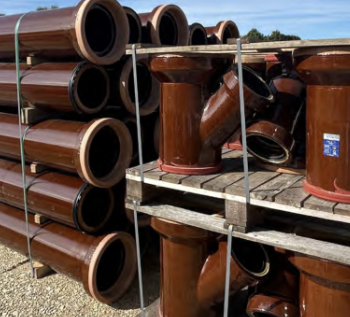
Why vitrified clay pipes are reclaiming their role in built projects.
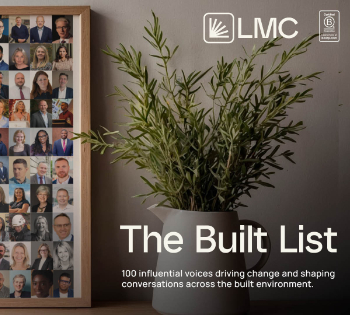
Research by construction PR consultancy LMC published.
Roles and responsibilities of domestic clients
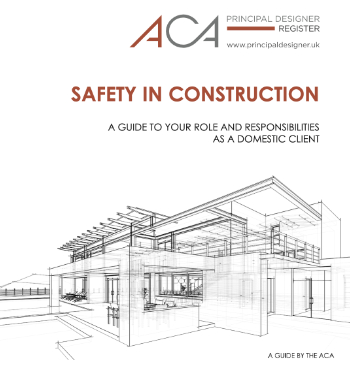
ACA Safety in Construction guide for domestic clients.
Fire door compliance in UK commercial buildings

Architect and manufacturer gives their low down.
Plumbing and heating for sustainability in new properties
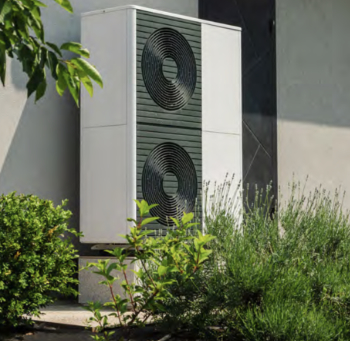
Technical Engineer runs through changes in regulations, innovations in materials, and product systems.
Awareness of the Carbon Border Adjustment Mechanism
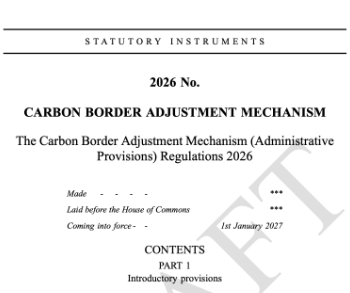
What CBAM is and what to do about it.
The new towns and strategic environmental assessments
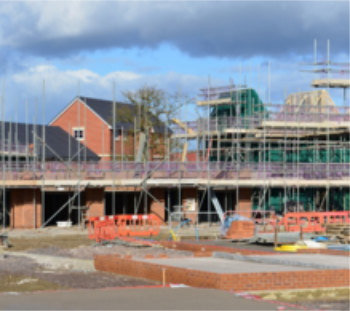
12 locations of the New Towns Taskforce reduced to 7 within the new towns draft programme and open consultation.
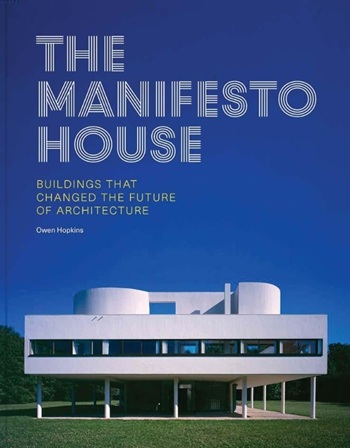
Buildings that changed the future of architecture. Book review.
The Sustainability Pathfinder© Handbook
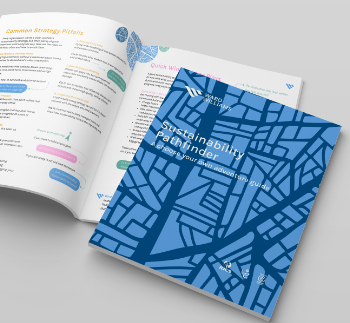
Built environment agency launches free Pathfinder© tool to help businesses progress sustainability strategies.
Government outcome to the late payment consultation, ECA reacts.
IHBC 2025 Gus Astley Student Award winners

Work on the role of hewing in UK historic conservation a win for Jack Parker of Oxford Brookes University.
Future Homes Building Standards and plug-in solar
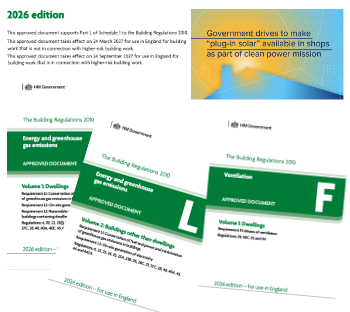
Parts F and L amendments, the availability of solar panels and industry responses.
How later living housing can help solve the housing crisis
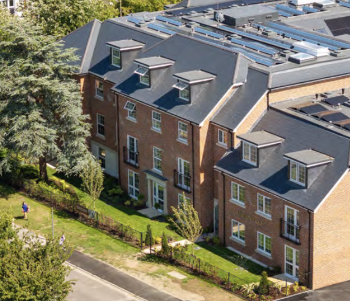
Unlocking homes, unlocking lives.
Preparing safety case reports for HRBs under the BSA
A new practical guide to preparing structural inputs for safety cases and safety case reports published by IStructE.
Male construction workers and prostate cancer

CIOB and Prostate Cancer UK encourage awareness of prostate cancer risks, and what to do about it.