






Applying flood resilience technologies GG 84
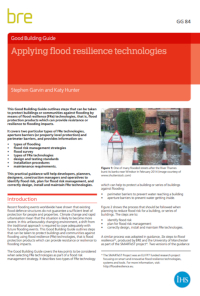
Applying flood resilience technologies (GG 84) was written by Stephen Garvin and Katy Hunter, and published by BRE on 8 September 2014. BRE (Building Research Establishment) is an independent, research-based consultancy, testing and training organisation, operating in the built environment and associated industries.
Recent flooding events worldwide have shown that existing flood defence structures do not guarantee a sufficient level of protection for people and properties. Climate change and rapid urbanisation mean that the situation is likely to become more severe. In this unfavourably changing environment, a shift from the traditional approach is required to cope adequately with future flooding events.
This 12-page Good Building Guide outlines steps that can be taken to protect buildings or communities from flooding through the use of flood resilience (FRe) technologies, that is, flood protection products which can provide resistance or resilience to flooding impacts.
It covers two types of FRe technologies:
It provides information on:
- Types of flooding.
- Flood risk management strategies.
- Flood survey.
- Types of FRe technologies.
- Design and testing standards.
- Installation procedures.
- Maintenance requirements.
This practical guidance will help developers, planners, designers, construction managers and operatives to identify flood risk, plan for flood risk management, and correctly design, install and maintain FRe technologies.
Its contents are:
- Introduction.
- Flood risk.
- Types of flooding.
- Flood risk management strategy.
- Survey.
- Types of FRe technologies.
- Relevant design and testing standards.
- Installation.
- Maintenance.
- References.
- Further reading and information.
[edit] Related articles on Designing Buildings Wiki
- BRE articles on Designing Buildings Wiki.
- BRE Buzz articles on Designing Buildings Wiki.
- BS 851188.
- Building flood resilience.
- Building Research Establishment.
- Catchment flood management plans.
- Flood.
- Flood defences.
- Flood insurance.
- Flood risk management plans.
- Flood risk.
- Future flood prevention.
- Pitt Review.
- Thames barrier.
- Water engineering.
Featured articles and news
Costs and insolvencies mount for SMEs, despite growth

Construction sector under insolvency and wage bill pressure in part linked to National Insurance, says report.
The place for vitrified clay pipes in modern infrastructure
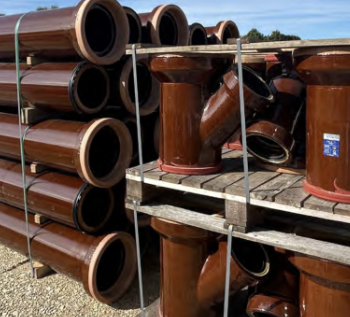
Why vitrified clay pipes are reclaiming their role in built projects.
Research by construction PR consultancy LMC published.
Roles and responsibilities of domestic clients

ACA Safety in Construction guide for domestic clients.
Fire door compliance in UK commercial buildings

Architect and manufacturer gives their low down.
Plumbing and heating for sustainability in new properties

Technical Engineer runs through changes in regulations, innovations in materials, and product systems.
Awareness of the Carbon Border Adjustment Mechanism
What CBAM is and what to do about it.
The new towns and strategic environmental assessments
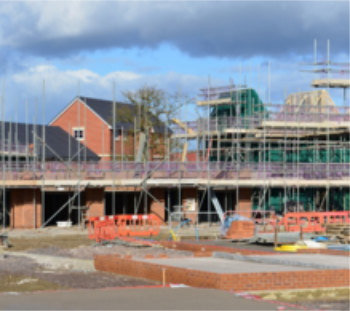
12 locations of the New Towns Taskforce reduced to 7 within the new towns draft programme and open consultation.

Buildings that changed the future of architecture. Book review.
The Sustainability Pathfinder© Handbook
Built environment agency launches free Pathfinder© tool to help businesses progress sustainability strategies.
Government outcome to the late payment consultation, ECA reacts.
IHBC 2025 Gus Astley Student Award winners
Work on the role of hewing in UK historic conservation a win for Jack Parker of Oxford Brookes University.
Future Homes Building Standards and plug-in solar
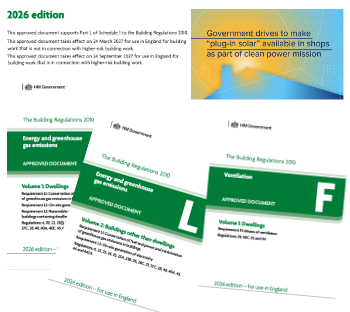
Parts F and L amendments, the availability of solar panels and industry responses.
How later living housing can help solve the housing crisis

Unlocking homes, unlocking lives.
Preparing safety case reports for HRBs under the BSA
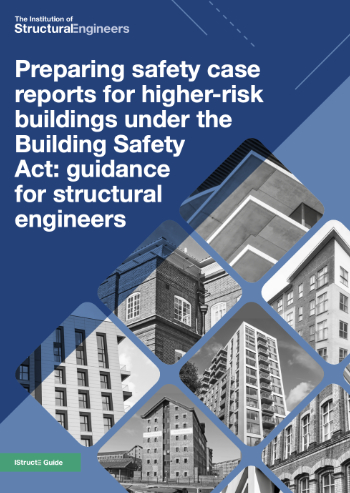
A new practical guide to preparing structural inputs for safety cases and safety case reports published by IStructE.
Male construction workers and prostate cancer

CIOB and Prostate Cancer UK encourage awareness of prostate cancer risks, and what to do about it.