





Price in the construction industry
Price is the term used to describe the amount of compensation, usually in the form of monetary payment, that is exchanged between one party and another for the provision of goods and/or services. It represents the value that will purchase a certain amount of those goods and services.
Price forms the basis of all commercial transactions and is usually expressed in units of currency.
Price can be fixed by a contract, determined later by an agreed-upon formula, or negotiated. The ‘asking price’, ‘selling price’, 'quote' or 'tender' is requested by the seller of goods or services. This may be different from the ‘transaction price’, or ‘traded price’, which is the amount that is actually exchanged. The ‘bid price’ is the amount of payment offered by a buyer of goods or services and can be accepted or rejected by the seller.
The general factors that determine price are:
- The amount the buyer is willing to pay.
- The amount the seller is willing to accept.
- The amount the market is paying/accepting.
In terms of land and property, price is the capital value of those assets and is generally related to the income it produces or could produce. For example, the buyer of a revenue-producing property investment, such as a commercial office block, is effectively paying a capital sum today in return for the right to receive a stream of income in the future.
In construction contracts, the price offered by a supplier might be described as a 'tender' and the agreed price might be described as the 'contract sum'. However, prices are rarely 'fixed' even if they are described as being a 'fixed price'. Instead, the price is generally allowed to change under certain circumstances:
- Variations: Most contracts will contain provision for the architect or contract administrator to issue instructions to vary the design, quantities, quality, sequence or working conditions.
- Relevant events: A relevant event may be caused by the client (for example failure to supply goods or instructions), or may be a neutral event (such as exceptionally adverse weather) and may result in a claim for loss and expense by the contractor.
- Provisional sums: An allowance for a specific element of the works that is not defined in enough detail for tenderers to price.
- Fluctuations: A mechanism for dealing with inflation on projects where the contractor tenders based on current prices and then the contract makes provisions for the contractor to be reimbursed for price changes over the duration of the project.
- Payments to nominated sub-contractors or nominated suppliers.
- Statutory fees.
- Payments relating to opening-up and testing the works.
A truly 'fixed' price contract would not necessarily be in the interests of the client as it would require that the contractor prices risks over which they may have no control, and which might not arise.
Other forms of price include; guaranteed maximum price, negotiated price, open book accounting, lump sum, and so on. See Fixed price construction contract for more information.
The manipulation of prices in collusion with other suppliers is illegal.
[edit] Related articles on Designing Buildings
- Capital cost.
- Construction price and cost indices.
- Contract sum.
- Cost.
- Cost consultant.
- Cost vs price.
- Fixed price construction contract.
- Guaranteed maximum price.
- Guaranteed maximum price with target cost.
- Linear pricing.
- Market price.
- Offer price.
- Payment by results.
- Price certainty.
- Procurement.
- Provisional sums.
- Real price.
- Shadow price.
- Spon's Price Book.
- Spot price.
- Types of price.
- Unit price.
- Volume-based payment.
Featured articles and news
Level 6 Design, Construction and Management BSc

CIOB launches first-ever degree programme to develop the next generation of construction leaders.

Open for business as of April, with its 2026 prospectus and new pipeline of housing schemes.
The operational value of workforce health

Keeping projects moving. Incorporating unplanned absence and the importance of health, in operations.
A carbon case for indigenous slate
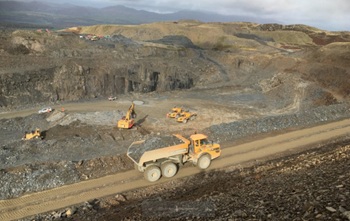
UK slate can offer clear embodied carbon advantages.
Costs and insolvencies mount for SMEs, despite growth

Construction sector under insolvency and wage bill pressure in part linked to National Insurance, says report.
The place for vitrified clay pipes in modern infrastructure
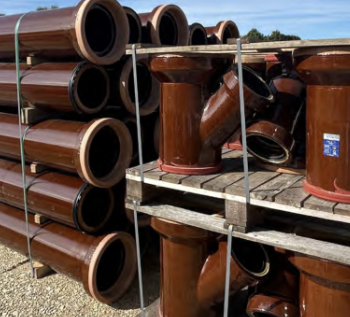
Why vitrified clay pipes are reclaiming their role in built projects.

Research by construction PR consultancy LMC published.
Roles and responsibilities of domestic clients

ACA Safety in Construction guide for domestic clients.
Fire door compliance in UK commercial buildings

Architect and manufacturer gives their low down.
Plumbing and heating for sustainability in new properties

Technical Engineer runs through changes in regulations, innovations in materials, and product systems.
Awareness of the Carbon Border Adjustment Mechanism
What CBAM is and what to do about it.
The new towns and strategic environmental assessments
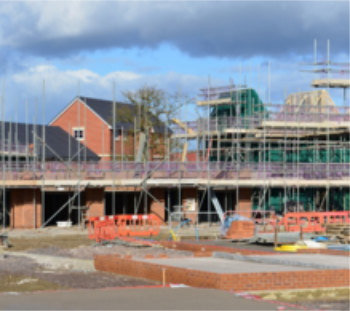
12 locations of the New Towns Taskforce reduced to 7 within the new towns draft programme and open consultation.
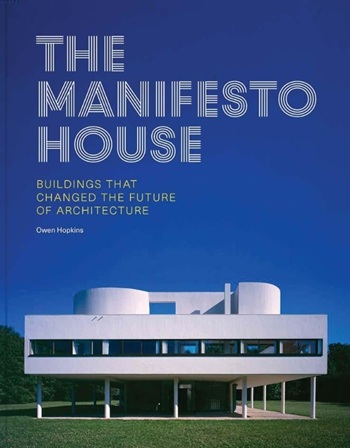
Buildings that changed the future of architecture. Book review.
The Sustainability Pathfinder© Handbook
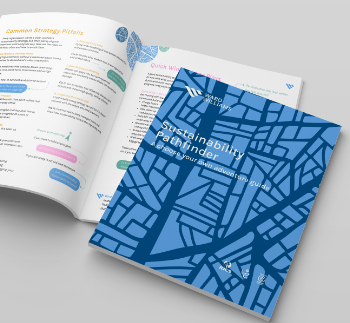
Built environment agency launches free Pathfinder© tool to help businesses progress sustainability strategies.
Government outcome to the late payment consultation, ECA reacts.
IHBC 2025 Gus Astley Student Award winners

Work on the role of hewing in UK historic conservation a win for Jack Parker of Oxford Brookes University.