





Spray
In general terms, the word 'spray' refers to any liquid that is blown or driven through the air in the form of small droplets.
Approved document C: Site preparation and resistance to contaminants and moisture, 2004 edition incorporating 2010 and 2013 amendments defines spray as: ‘Water droplets driven by the wind from the surface of the sea or other bodies of water adjacent to buildings. Sea spray can be especially hazardous to materials because of its salt content.’
In the construction industry more widely, the term 'spray' has a number of other possible meanings, such as:
- Spray Concrete (Shotcrete). A method of applying concrete or mortar using a high-velocity hose. It is commonly used for tunnel linings, structural repairs, and retaining walls.
- Spray Plastering. The application of plaster using a machine instead of manual troweling. This speeds up the process and provides a smooth finish.
- Spray Insulation. The application of liquid foam insulation, which expands to fill gaps, providing thermal and sound insulation.
- Spray Painting. The use of spray guns to apply paint or protective coatings on surfaces, including metalwork, wood, or walls.
- Dust or Water Spray. The use of water mist or suppressant sprays to reduce airborne dust on construction sites, improving air quality and worker safety.
[edit] Related articles on Designing Buildings
- Approved document C.
- Approved documents.
- Building regulations.
- Condensation.
- Contaminated land.
- Cover systems for land regeneration - thickness of cover systems for contaminated land (BR465).
- Deleterious materials.
- Ground conditions.
- Hazardous substances.
- Radon.
- Radon: Guidance on protective measures for new buildings BR 211.
- Types of damp-proof courses.
Featured articles and news
Costs and insolvencies mount for SMEs, despite growth

Construction sector under insolvency and wage bill pressure in part linked to National Insurance, says report.
The place for vitrified clay pipes in modern infrastructure
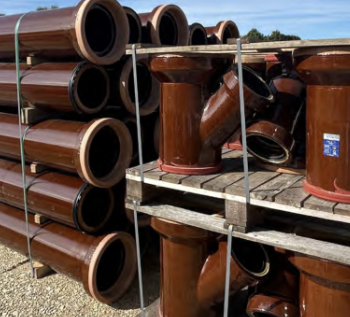
Why vitrified clay pipes are reclaiming their role in built projects.

Research by construction PR consultancy LMC published.
Roles and responsibilities of domestic clients
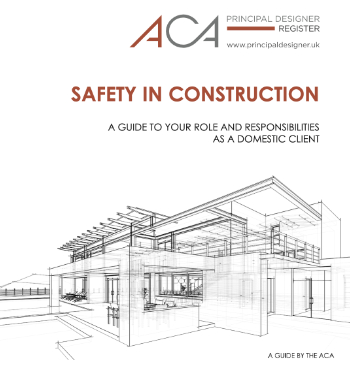
ACA Safety in Construction guide for domestic clients.
Fire door compliance in UK commercial buildings

Architect and manufacturer gives their low down.
Plumbing and heating for sustainability in new properties

Technical Engineer runs through changes in regulations, innovations in materials, and product systems.
Awareness of the Carbon Border Adjustment Mechanism
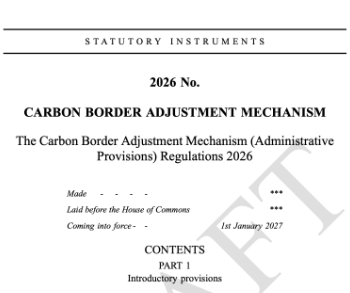
What CBAM is and what to do about it.
The new towns and strategic environmental assessments
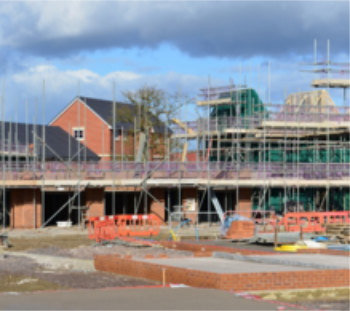
12 locations of the New Towns Taskforce reduced to 7 within the new towns draft programme and open consultation.

Buildings that changed the future of architecture. Book review.
The Sustainability Pathfinder© Handbook
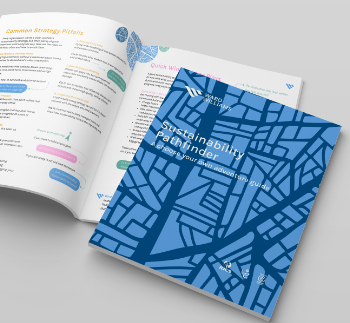
Built environment agency launches free Pathfinder© tool to help businesses progress sustainability strategies.

Government outcome to the late payment consultation, ECA reacts.
IHBC 2025 Gus Astley Student Award winners

Work on the role of hewing in UK historic conservation a win for Jack Parker of Oxford Brookes University.
Future Homes Building Standards and plug-in solar
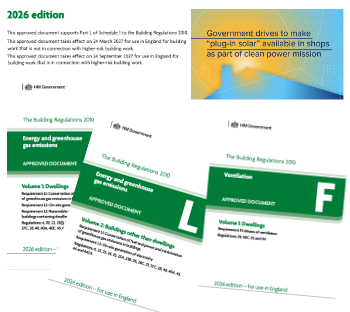
Parts F and L amendments, the availability of solar panels and industry responses.
How later living housing can help solve the housing crisis

Unlocking homes, unlocking lives.
Preparing safety case reports for HRBs under the BSA
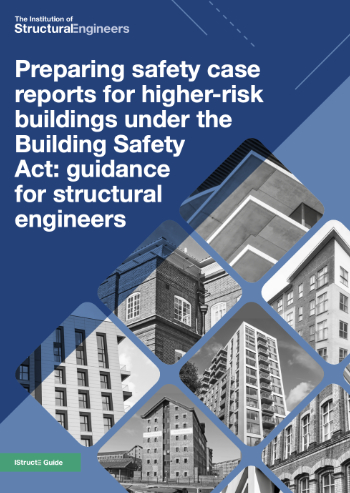
A new practical guide to preparing structural inputs for safety cases and safety case reports published by IStructE.
Male construction workers and prostate cancer

CIOB and Prostate Cancer UK encourage awareness of prostate cancer risks, and what to do about it.