





Shower

The Building Regulations Approved Document G: Sanitation, hot water safety and water efficiency, suggests that the term ‘sanitary appliance’ means a ‘… WC, urinal, bath, shower, washbasin, sink, bidet and drinking fountain. It also includes appliances that are not connected to a water supply (e.g. composting toilet) or drain (e.g. waterless urinal).’
Under these regulations, sanitary appliances collect and remove waste matter and are generally grouped into two categories: soil appliances and wastewater appliances. Wastewater appliances are primarily used to collect and remove water once it has been used. A shower is considered a type of wastewater appliance under this definition.
The Scottish Building Standards, Part I. Technical Handbook – Domestic, Appendix A Defined Terms, defines a shower as a sanitary accommodation or a sanitary facility.
Showers are typically cubicles with a drain at the bottom, and a fixed shower head, or a shower head attached to a flexible hose, that produces a spray of water that allows users to clean themselves. They might be connected to a hot and cold water supply wth a mixer valve to control the temperature, or they may have an electric heater that allows cold water to be heated instantaneously. Shower appliances might also be installed in wet rooms, or attached to the taps of a bath.
For more information see: Types of showers.
The word 'shower' might also refer to a brief period of light rain, snow or hail.
NB The Illustrated Guide to Hot and Cold Water Services (BG 33/2014), written by Reginald Brown and published by BSRIA in 2014, it states: ‘Basic electric showers incorporate a heating element but rely on the cold water supply pressure. Power showers include an integral pump for use with low water supply pressures.’
[edit] Related articles on Designing Buildings
- Approved Document G.
- Approved document M.
- Bath.
- Bidet.
- Lavatory.
- Level access shower
- Sanitary accommodation.
- Sanitaryware.
- Shower vs bath
- Types of sanitary appliances.
- Types of showers.
- Waste water.
- Wet room.
[edit] External resources
Featured articles and news
Costs and insolvencies mount for SMEs, despite growth

Construction sector under insolvency and wage bill pressure in part linked to National Insurance, says report.
The place for vitrified clay pipes in modern infrastructure
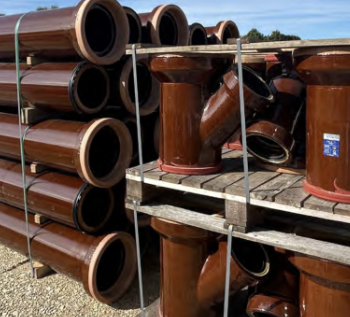
Why vitrified clay pipes are reclaiming their role in built projects.

Research by construction PR consultancy LMC published.
Roles and responsibilities of domestic clients

ACA Safety in Construction guide for domestic clients.
Fire door compliance in UK commercial buildings

Architect and manufacturer gives their low down.
Plumbing and heating for sustainability in new properties
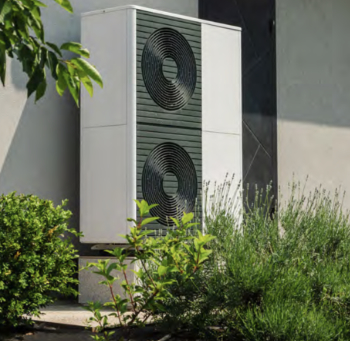
Technical Engineer runs through changes in regulations, innovations in materials, and product systems.
Awareness of the Carbon Border Adjustment Mechanism
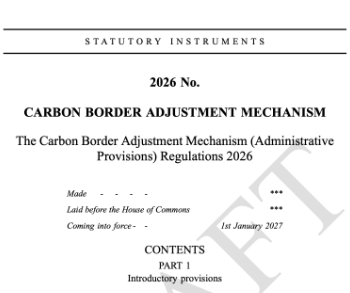
What CBAM is and what to do about it.
The new towns and strategic environmental assessments
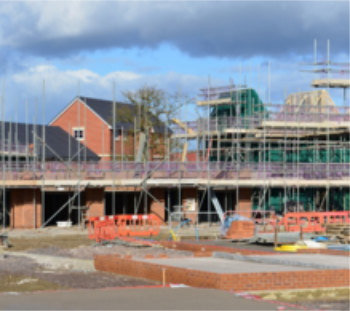
12 locations of the New Towns Taskforce reduced to 7 within the new towns draft programme and open consultation.

Buildings that changed the future of architecture. Book review.
The Sustainability Pathfinder© Handbook
Built environment agency launches free Pathfinder© tool to help businesses progress sustainability strategies.

Government outcome to the late payment consultation, ECA reacts.
IHBC 2025 Gus Astley Student Award winners
Work on the role of hewing in UK historic conservation a win for Jack Parker of Oxford Brookes University.
Future Homes Building Standards and plug-in solar
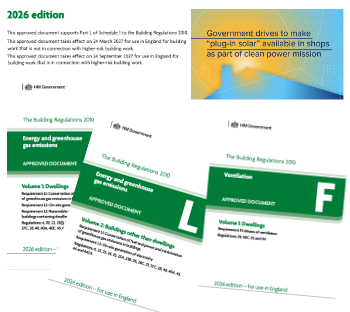
Parts F and L amendments, the availability of solar panels and industry responses.
How later living housing can help solve the housing crisis
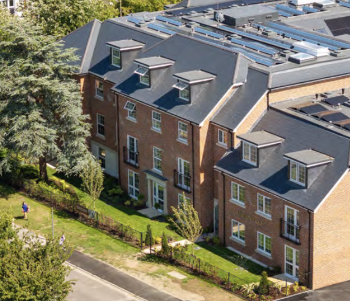
Unlocking homes, unlocking lives.
Preparing safety case reports for HRBs under the BSA
A new practical guide to preparing structural inputs for safety cases and safety case reports published by IStructE.
Male construction workers and prostate cancer

CIOB and Prostate Cancer UK encourage awareness of prostate cancer risks, and what to do about it.