





Incident reporting system for construction
The Reporting of Injuries, Diseases and Dangerous Occurrences Regulations 2013 (RIDDOR) create a legal requirement for a responsible person (employers, the self-employed and individuals in control of work premises) to notify and keep records of specified workplace incidents.
In the construction industry, incident reporting systems (IRSs) can be used to analyse, track and document accidents and incidents that take place across an organisation or on a specific site. The data that is gathered is then used to develop mitigation strategies to improve safety. They also enable an organisation to meet their requirements for the reporting and investigation of workplace incidents and occupational health and safety.
The IRS should be used to address potential hazards early, shape health and safety training, and implement continual improvement policies.
Online incident reporting systems can allow anyone from the organisation to report an incident at any time, which is particularly useful for large contractors operating across multiple sites. IRS's using mobile technology, can for example create a mobile text number for near miss reporting. A reporting station can be located on site with a touchscreen, enabling the workforce to select the type of incident they wish to report. The site team can then receive reports via mobile, enabling them to take immediate action if required.
In order for an IRS to be effective, it needs consistent and coordinated implementation by management, as well as full engagement and involvement from employees who must be made aware that reporting incidents is best practice behaviour and not something that could bring about negative consequences for them.
[edit] Find out more
[edit] Related articles on Designing Buildings Wiki
Featured articles and news
Costs and insolvencies mount for SMEs, despite growth

Construction sector under insolvency and wage bill pressure in part linked to National Insurance, says report.
The place for vitrified clay pipes in modern infrastructure
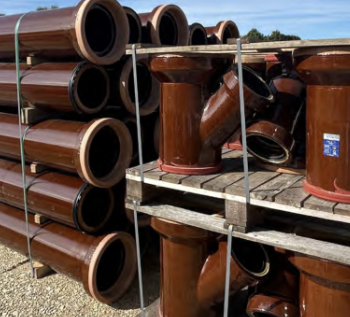
Why vitrified clay pipes are reclaiming their role in built projects.

Research by construction PR consultancy LMC published.
Roles and responsibilities of domestic clients

ACA Safety in Construction guide for domestic clients.
Fire door compliance in UK commercial buildings

Architect and manufacturer gives their low down.
Plumbing and heating for sustainability in new properties

Technical Engineer runs through changes in regulations, innovations in materials, and product systems.
Awareness of the Carbon Border Adjustment Mechanism
What CBAM is and what to do about it.
The new towns and strategic environmental assessments
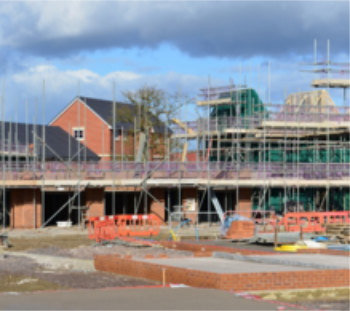
12 locations of the New Towns Taskforce reduced to 7 within the new towns draft programme and open consultation.

Buildings that changed the future of architecture. Book review.
The Sustainability Pathfinder© Handbook
Built environment agency launches free Pathfinder© tool to help businesses progress sustainability strategies.

Government outcome to the late payment consultation, ECA reacts.
IHBC 2025 Gus Astley Student Award winners

Work on the role of hewing in UK historic conservation a win for Jack Parker of Oxford Brookes University.
Future Homes Building Standards and plug-in solar
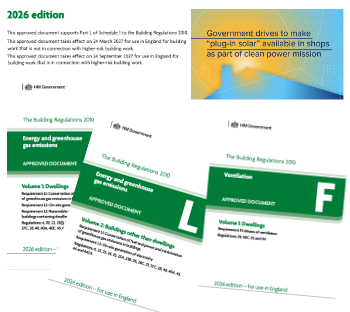
Parts F and L amendments, the availability of solar panels and industry responses.
How later living housing can help solve the housing crisis

Unlocking homes, unlocking lives.
Preparing safety case reports for HRBs under the BSA
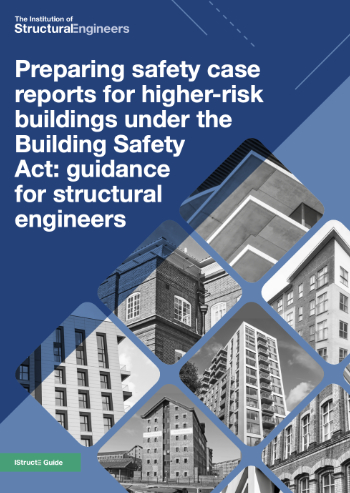
A new practical guide to preparing structural inputs for safety cases and safety case reports published by IStructE.
Male construction workers and prostate cancer

CIOB and Prostate Cancer UK encourage awareness of prostate cancer risks, and what to do about it.