





Device
A device can be defined as a tool, machine, or piece of equipment that is designed for a specific function or task. It typically serves a practical purpose, often involving mechanical, electronic, or digital components to perform or assist in performing work. Devices range from simple hand-held tools to complex systems integrated into large-scale operations.
In the construction industry, devices play a vital role in improving efficiency, accuracy, and safety. They are used across all stages of a project, from initial surveying and design to the physical building process and final inspections. For example, measuring devices help ensure structures are level, materials are correctly aligned, and components meet specified dimensions. Lasers, theodolites, and GPS-based equipment allow surveyors to map out sites with high precision, laying the foundation for accurate construction.
Devices also contribute significantly to safety and quality control. Environmental sensors monitor air quality, noise levels, and temperature to protect workers and maintain regulatory compliance. In structural work, load-monitoring devices assess how much stress a component is bearing, helping prevent overloading and potential failure. Even simple digital devices, such as tablets and smartphones, have transformed project management by enabling real-time communication, remote inspections, and digital documentation on site.
The integration of more advanced devices, such as drones and robotics, continues to reshape how modern construction sites operate. These technologies enhance visibility, reduce human error, and streamline complex tasks, helping projects stay on schedule and within budget. In short, devices in construction are not just tools of convenience—they are key enablers of progress, precision, and safety in an industry where every detail counts.
[edit] Related articles on Designing Buildings
Featured articles and news
Costs and insolvencies mount for SMEs, despite growth

Construction sector under insolvency and wage bill pressure in part linked to National Insurance, says report.
The place for vitrified clay pipes in modern infrastructure
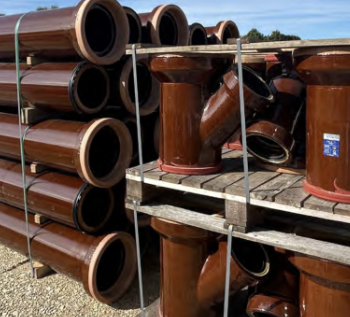
Why vitrified clay pipes are reclaiming their role in built projects.

Research by construction PR consultancy LMC published.
Roles and responsibilities of domestic clients

ACA Safety in Construction guide for domestic clients.
Fire door compliance in UK commercial buildings

Architect and manufacturer gives their low down.
Plumbing and heating for sustainability in new properties

Technical Engineer runs through changes in regulations, innovations in materials, and product systems.
Awareness of the Carbon Border Adjustment Mechanism
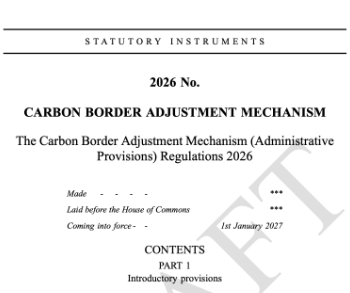
What CBAM is and what to do about it.
The new towns and strategic environmental assessments
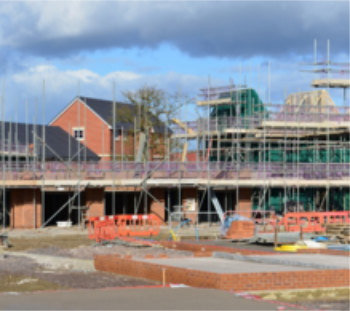
12 locations of the New Towns Taskforce reduced to 7 within the new towns draft programme and open consultation.

Buildings that changed the future of architecture. Book review.
The Sustainability Pathfinder© Handbook
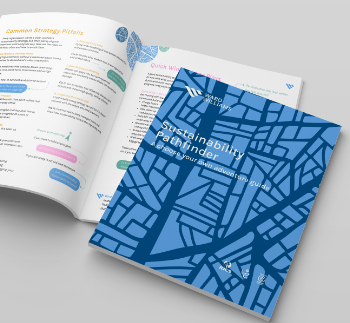
Built environment agency launches free Pathfinder© tool to help businesses progress sustainability strategies.

Government outcome to the late payment consultation, ECA reacts.
IHBC 2025 Gus Astley Student Award winners

Work on the role of hewing in UK historic conservation a win for Jack Parker of Oxford Brookes University.
Future Homes Building Standards and plug-in solar
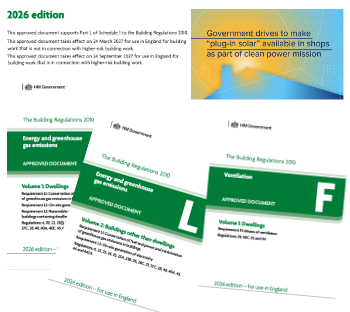
Parts F and L amendments, the availability of solar panels and industry responses.
How later living housing can help solve the housing crisis

Unlocking homes, unlocking lives.
Preparing safety case reports for HRBs under the BSA
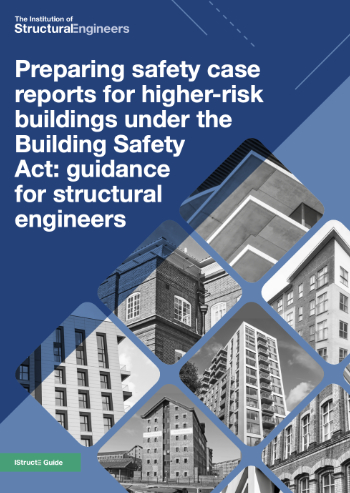
A new practical guide to preparing structural inputs for safety cases and safety case reports published by IStructE.
Male construction workers and prostate cancer

CIOB and Prostate Cancer UK encourage awareness of prostate cancer risks, and what to do about it.