






Radon solutions in older homes GR 38
BRE (Building Research Establishment) is an independent, research-based consultancy, testing and training organisation, operating in the built environment and associated industries.

Radon solutions in older homes (GR 38) was written by Chris Scivyer and published by BRE on 2 April 2014.
Radon is a natural, colourless, odourless, radioactive gas formed by the radioactive decay of small amounts of uranium that occur naturally in all rocks and soils. It can move through cracks and fissures in the subsoil and eventually to the atmosphere. Most of this radon will disperse harmlessly, but some will collect in spaces under or within buildings.
For most UK residents, radon accounts for half the annual radiation they receive. Exposure to particularly high levels of radon may increase the risk of developing lung cancer. While it is recognised that the air inside every building contains radon, some buildings in certain areas of the UK might have unacceptably high concentrations unless precautions are taken. South-west England is of principal concern, but high concentrations of radon are also found in many other areas.
This 8-page Good Repair Guide provides guidance for builders and homeowners carrying out works to reduce indoor radon levels in older homes. It describes features found in older properties and explains how commonly-used radon remedial measures can be tailored to suit older buildings, including listed buildings or those located within conservation areas.
GR 38 supplements Good Repair Guides 37/1, 37/2 and 37/3.
Its contents are:
- Background.
- Construction features and their impact upon radon solutions.
- Other issues.
- References.
[edit] Related articles on Designing Buildings Wiki
- BRE articles on Designing Buildings Wiki.
- BRE Buzz articles on Designing Buildings Wiki.
- BRE Buzz.
- BREEAM.
- Building Research Establishment.
- Methane and other gasses from the ground.
- Radon protection for new domestic extensions and conservatories with solid concrete ground floors (GG 73 revised).
- Radon protection for new dwellings GG 74.
- Radon protection for new large buildings GG 75.
- Radon.
- Radon: Guidance on protective measures for new buildings BR 211.
Featured articles and news
Costs and insolvencies mount for SMEs, despite growth

Construction sector under insolvency and wage bill pressure in part linked to National Insurance, says report.
The place for vitrified clay pipes in modern infrastructure
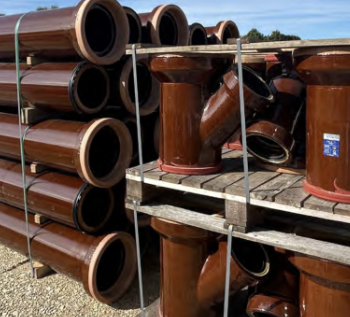
Why vitrified clay pipes are reclaiming their role in built projects.

Research by construction PR consultancy LMC published.
Roles and responsibilities of domestic clients

ACA Safety in Construction guide for domestic clients.
Fire door compliance in UK commercial buildings

Architect and manufacturer gives their low down.
Plumbing and heating for sustainability in new properties
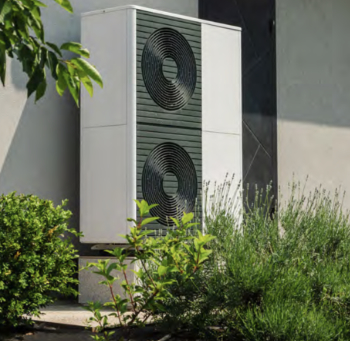
Technical Engineer runs through changes in regulations, innovations in materials, and product systems.
Awareness of the Carbon Border Adjustment Mechanism
What CBAM is and what to do about it.
The new towns and strategic environmental assessments
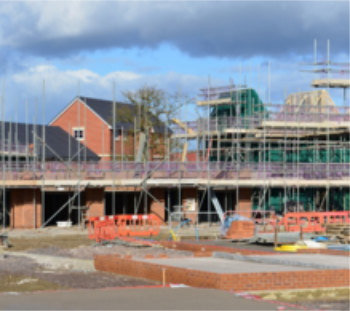
12 locations of the New Towns Taskforce reduced to 7 within the new towns draft programme and open consultation.
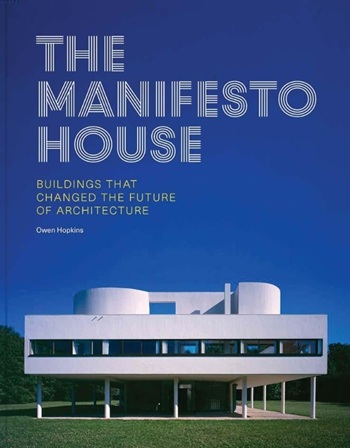
Buildings that changed the future of architecture. Book review.
The Sustainability Pathfinder© Handbook
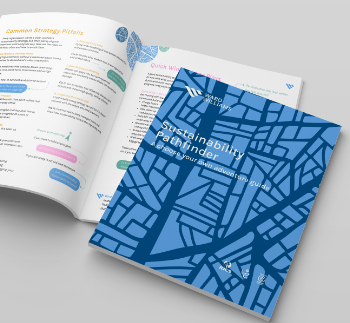
Built environment agency launches free Pathfinder© tool to help businesses progress sustainability strategies.

Government outcome to the late payment consultation, ECA reacts.
IHBC 2025 Gus Astley Student Award winners

Work on the role of hewing in UK historic conservation a win for Jack Parker of Oxford Brookes University.
Future Homes Building Standards and plug-in solar
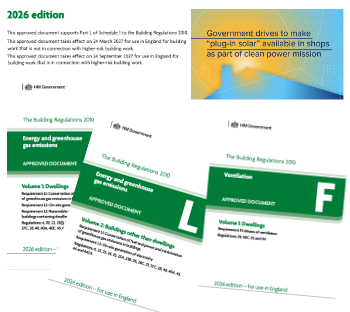
Parts F and L amendments, the availability of solar panels and industry responses.
How later living housing can help solve the housing crisis
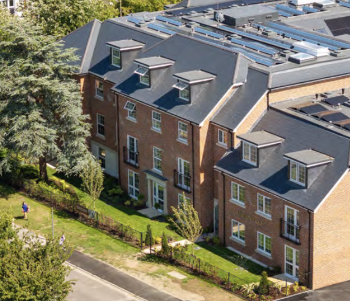
Unlocking homes, unlocking lives.
Preparing safety case reports for HRBs under the BSA
A new practical guide to preparing structural inputs for safety cases and safety case reports published by IStructE.
Male construction workers and prostate cancer

CIOB and Prostate Cancer UK encourage awareness of prostate cancer risks, and what to do about it.