





Puddingstone
Puddingstone (sometimes called plum-pudding stone or raisin-pudding stone) is a rock, typically a spotty, dark brown conglomerate that resembles a Christmas pudding. A conglomerate is a stone that is made up of very well-rounded pebbles that are bound together by a natural cementitious material. The colour of the stones is usually in sharp contrast to the colour of the sandy matrix in which they are set.
There are several different varieties of puddingstone with varying origins, composition and geographical distribution, such as those found in southern England, the US and Canada. The material has been used for building in the Home Counties (except Kent) for centuries.
Puddingstone typically comprises small, rounded stones of flint and sandstone, cemented together by a silica or iron oxide cement. It occurs in the London basin, Essex, Surrey, Buckinghamshire and some parts of Bedfordshire. It can sometimes feel very hard but some types are softer and can even be crumbled by hand. Puddingstone is therefore not regarded as a premium building stone. Nevertheless, it has been used for construction – mainly for churches – where nothing else was available or it was convenient to quarry.
Notable UK examples include the church at Chobham, Surrey; the tower of the parish church in Wokingham Berkshire; Beeleigh Abbey, Essex, and in some parts of Buckinghamshire, where it was used for the foundations of churches.
Puddingstone also occurs in the USA, such as in the Schunemunk mountain, Orange County, New York (where there is a 910m-thick bed), and also around Boston, as well as in Michigan and Ontario, Canada.
[edit] Related articles on Designing Buildings Wiki
- Choosing stone.
- Defects in stonework.
- Finding stone to conserve historic buildings.
- Inspecting stone sample panels.
- Kentish ragstone.
- Masonry.
- Modern Stonemasonry.
- Natural stone cladding.
- Natural stone.
- Portland Stone.
- Roof slates.
- Sourcing stone to repair Exeter Cathedral.
- Stone dressing.
- Types of stone.
Featured articles and news
Costs and insolvencies mount for SMEs, despite growth

Construction sector under insolvency and wage bill pressure in part linked to National Insurance, says report.
The place for vitrified clay pipes in modern infrastructure
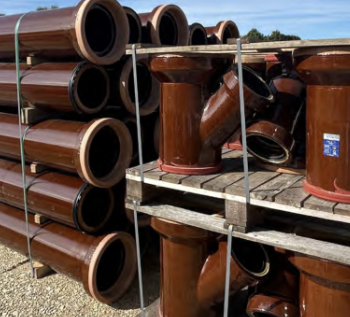
Why vitrified clay pipes are reclaiming their role in built projects.

Research by construction PR consultancy LMC published.
Roles and responsibilities of domestic clients

ACA Safety in Construction guide for domestic clients.
Fire door compliance in UK commercial buildings

Architect and manufacturer gives their low down.
Plumbing and heating for sustainability in new properties

Technical Engineer runs through changes in regulations, innovations in materials, and product systems.
Awareness of the Carbon Border Adjustment Mechanism
What CBAM is and what to do about it.
The new towns and strategic environmental assessments
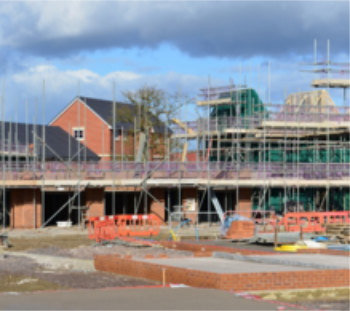
12 locations of the New Towns Taskforce reduced to 7 within the new towns draft programme and open consultation.

Buildings that changed the future of architecture. Book review.
The Sustainability Pathfinder© Handbook
Built environment agency launches free Pathfinder© tool to help businesses progress sustainability strategies.

Government outcome to the late payment consultation, ECA reacts.
IHBC 2025 Gus Astley Student Award winners

Work on the role of hewing in UK historic conservation a win for Jack Parker of Oxford Brookes University.
Future Homes Building Standards and plug-in solar
Parts F and L amendments, the availability of solar panels and industry responses.
How later living housing can help solve the housing crisis
Unlocking homes, unlocking lives.
Preparing safety case reports for HRBs under the BSA

A new practical guide to preparing structural inputs for safety cases and safety case reports published by IStructE.
Male construction workers and prostate cancer

CIOB and Prostate Cancer UK encourage awareness of prostate cancer risks, and what to do about it.