





Management contract: project brief
 This stage is concerned solely with preparing the project brief the key document upon which the design will be based.
Within this plan the management contractor is appointed on completion of concept design. Earlier or later appointment will result in some activities being re-allocated between the consultant team and the management contractor (for example the role of cost consultant).
[edit] Starting the work stage and appointing additional members of the consultant team if necessary.
The client updates the business case and project execution plan to reflect comments made at the end of the previous stage. The lead consultant then co-ordinates a start-up meeting attended by the consultant team and the client to issue the revised project execution plan (and business case or part of it if appropriate), to pass on comments made at the end of the previous stage, and to agree the programme for the stage.
The consultant team or the client may identify a requirement to appoint additional consultants or specialist designers. Go to work stage: Management contract: appointment.
[edit] Preparing the project brief.
The client and consultant team discuss the required contents of the project brief and consider who the consultant team may need to consult in the preparation of the project brief. It may be appropriate to prepare a project directory of contact details and perhaps a stakeholder map.
The client informs user panels, champions and other stakeholders that will be involved in the development of the project brief that they should make time available to meet with the consultant team. The lead consultant co-ordinates the consultant team to carry out consultations with user panels, champions and other stakeholders and feeds back the outcome of consultations to the client.
The lead consultant co-ordinates the consultant team to prepare a draft project brief.
The client begins preparing, or arranges for the consultant team to begin preparing, a site waste management plan (if required). At this stage, this is a means of recording decisions made to minimise the consumption of resources and to minimise the generation of waste.
The cost consultant highlights areas of potential cost savings and areas of potential cost problems apparent in the draft project brief and prepares an elemental cost plan. The client considers advice from the cost consultant and instructs the consultant team to amend the draft project brief if necessary.
The client issues the revised project brief to the user panels, champions and other stakeholders who may propose further revisions. The client considers the proposed amendments and instructs any necessary revision of the project brief.
The cost consultant amends the elemental cost plan if necessary, and the client considers and, if satisfied, approves the project brief
If necessary the client revises the business case and project execution plan. This might include: additional value management and risk assessment exercises, re-assessment of the budget and re-assessment of the procurement route.
The project brief is issued to user panels, champions and other stakeholders who may have further involvement in the development of the project.
The client confirms that funding is available and that there is still stakeholder support for the project, and considers whether to proceed to the next stage.


Featured articles
Check out some of the best features and news from Designing Buildings as well as key stories from around the web.

ECA warns growth must not outpace grid capacity or skills.
The role of the client and decision making

CIOB response to built environment professions call for evidence.
Construction's sustainability reporting revolution

Tracking upfront embodied carbon with digital tools.
ECA welcomes procurement reforms

Public spending must back British jobs and skills.
Campaigning for Edinburgh: the Cockburn Association 1875-2049

The role of the civic voice in protecting character. Book review.

CIOB photography competition is open for entries.
ECA Edmundson apprentice of the year award

Finalists announced.
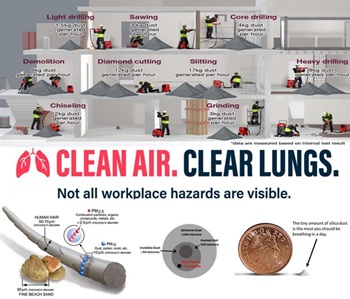
Major new study exposes serious knowledge gaps.

Generating energy from internal light as well as sunshine.

ECA welcomes plans to strengthen subcontractor quality control.

Combining mid-career qualifications with experience broadens career opportunities.

Why being a mentor can help your career.