





Access to Neighbouring Land Act 1992

Contents |
[edit] Introduction
The Access to Neighbouring Land Act 1992 (also referred to as ANLA 1992) enables a property owner to access a neighbour’s property in order to undertake work that has been designated as necessary on their own land.
In some instances, this access is available through an easement. An easement is a right which a person has over land owned by someone else. Easements are normally attached to the land and included in a deed to the property. They are not generally associated with a single property owner and can be considered to last in perpetuity.
However, when an easement or other type of covenant is not in place and informal arrangements can not be made between neighbours, the property owner may need to request permission to access the land through ANLA 1992. Otherwise, if boundaries are violated for repairs or improvements, the property owner may risk being charged with unlawful access.
[edit] Background
Before ANLA 1992, common law was often used to settle disputes over access to land (if an easement was not in place or an informal agreement could not be reached). Under common law, individual land rights rights were considered more important than anything else, including any property modifications that might be required for safety purposes.
When common law was not used, statutory right to access might be addressed under the London Building Act 1939 in London. This Act gave owners of certain buildings access to neighbouring land in order to undertake repairs to dangerous structures situated on the boundary of the two properties.
The purpose of ANLA 1992 was to clarify access for repair purposes through the creation of a general right to access for a wider range of instances (which had not been the case with The 1939 Act), including the lack of an easement or informal agreement.
[edit] Court powers under ANLA 1992
One of the key points of ANLA 1992 is associated with determining the necessity of the work. In order for the court to grant access, the applicant must show that the proposed works are:
- Necessary to preserve the whole or any part of the land.
- Impossible or substantially more difficult to carry out without access to the neighbouring land.
Examples of such works may include repair, renewal or maintenance of buildings, drains, sewers, pipes or cables. It may also include clearing ditches or removing dead or loosely rooted plants such as trees or hedges.
Even if the work is considered necessary and cannot be carried out without access to the neighbour’s land, the court may not grant access under two conditions:
- Interfering with or disturbing the neighbour’s enjoyment of their own land.
- Creating hardship for the neighbour.
NB In 1996, the Party Wall Act was introduced. This grants the owner of a property the legal right to undertake certain works to boundaries, party structures and excavations that might otherwise constitute trespass or nuisance. For more information see: Party Wall Act.
[edit] Related articles on Designing Buildings Wiki
Featured articles and news
Costs and insolvencies mount for SMEs, despite growth

Construction sector under insolvency and wage bill pressure in part linked to National Insurance, says report.
The place for vitrified clay pipes in modern infrastructure

Why vitrified clay pipes are reclaiming their role in built projects.

Research by construction PR consultancy LMC published.
Roles and responsibilities of domestic clients

ACA Safety in Construction guide for domestic clients.
Fire door compliance in UK commercial buildings

Architect and manufacturer gives their low down.
Plumbing and heating for sustainability in new properties

Technical Engineer runs through changes in regulations, innovations in materials, and product systems.
Awareness of the Carbon Border Adjustment Mechanism
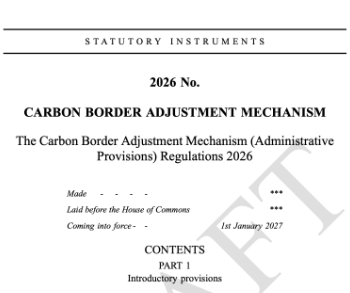
What CBAM is and what to do about it.
The new towns and strategic environmental assessments
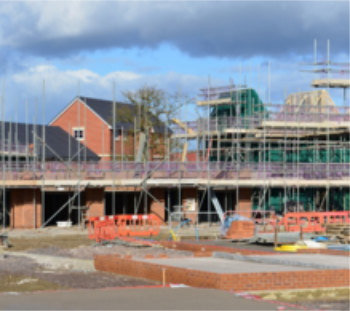
12 locations of the New Towns Taskforce reduced to 7 within the new towns draft programme and open consultation.
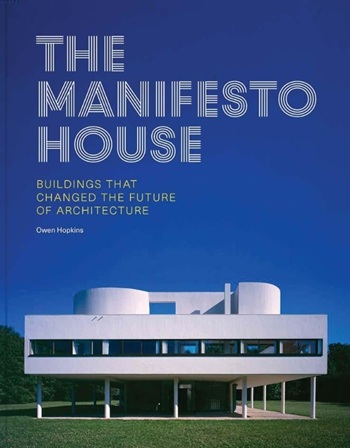
Buildings that changed the future of architecture. Book review.
The Sustainability Pathfinder© Handbook
Built environment agency launches free Pathfinder© tool to help businesses progress sustainability strategies.

Government outcome to the late payment consultation, ECA reacts.
IHBC 2025 Gus Astley Student Award winners

Work on the role of hewing in UK historic conservation a win for Jack Parker of Oxford Brookes University.
Future Homes Building Standards and plug-in solar
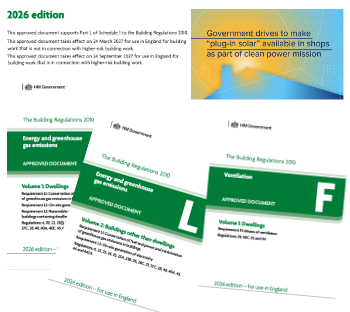
Parts F and L amendments, the availability of solar panels and industry responses.
How later living housing can help solve the housing crisis

Unlocking homes, unlocking lives.
Preparing safety case reports for HRBs under the BSA
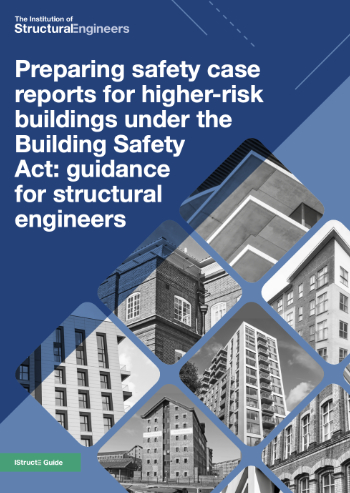
A new practical guide to preparing structural inputs for safety cases and safety case reports published by IStructE.
Male construction workers and prostate cancer

CIOB and Prostate Cancer UK encourage awareness of prostate cancer risks, and what to do about it.