





Choosing plumbers
The best time to choose plumbers is before you actually experience any type of plumbing emergency. When you face an emergency you may have very little time to find someone and could make a poor selection.
- Follow these basic tips if you want to find a plumber who you can call up whenever any type of emergency arises.
- Start by calling up a few people who live in the local area and who you trust. The majority of homeowners will, at one time or another, have required the use of a local plumber and you can ask them about the service that they used.
- Consider calling a building contractor who you may already know and trust. Building contractors will deal with plumbers on a regular basis and should have several different options that you could go to.
- Talk to the estate agent who represented you. Real estate experts will commonly recommend contractors and other tradespeople to their clients.
- Use certificatied plumbers or introduction systems that offer ratings and reviews.
Make sure you ask for a quote before the job begins. Ideally get more than one quote and compare them, and perhaps negotiate. Quotes and their accuracy may vary depending on the extent of the work that needs to be done, but in most cases they should be able to provide you with a decent estimation of how long the job is going to take and how much it is going to cost.
Ask about customer testimonials. Reputable plumbers will have a number of previous customers who will be willing to answer questions that you may have about the services they provided.
Conduct plenty of research and make sure that you select someone suitable. If you can develop a good relationship with a decent plumber or plumbing service then you shouldn't need to worry about any plumbing emergency that may occur.
[edit] Related articles on Designing Buildings Wiki
- Building heating systems.
- Building services.
- Cooling systems for buildings.
- Electrician.
- Greywater recycling.
- Hot water.
- Mechanical, electrical and plumbing MEP.
- Pipework.
- Passive water efficiency measures.
- Plumbing drawing.
- Radiator.
- Rainwater harvesting.
- Sanitary pipework.
- Sustainable urban drainage systems.
- Types of water.
Featured articles
Check out some of the best features and news from Designing Buildings as well as key stories from around the web.

Why construction can't afford to ignore the skills gap.
Building Safety Regulator, 19 August

Gill Kernick appointed Independent Chair of Residents’ Panel.
Connecting knowledge, technology and conservation
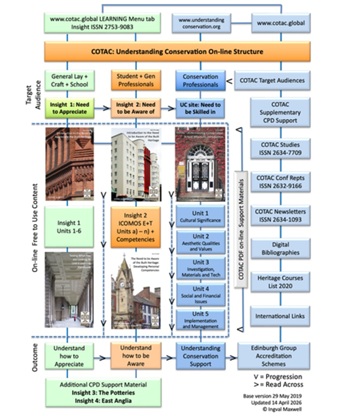
Building competence for the future of built heritage.
Building Regulations and Building Safety Act

CIOB publishes free advice for non-domestic clients.
Building Safety Newsletter from MHCLG.
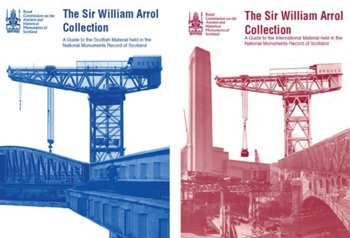
An extraordinary record of steel engineering worldwide.

Households living near new pylons to save on bills.

ECA warns growth must not outpace grid capacity or skills.
The role of the client and decision making

CIOB response to built environment professions call for evidence.
Construction's sustainability reporting revolution
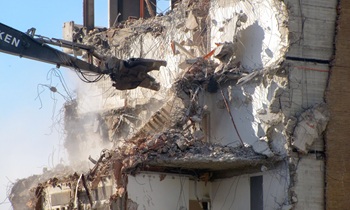
Tracking upfront embodied carbon with digital tools.
ECA welcomes procurement reforms

Public spending must back British jobs and skills.
Campaigning for Edinburgh: the Cockburn Association 1875-2049
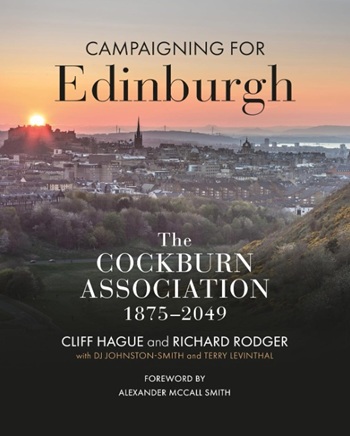
The role of the civic voice in protecting character. Book review.