






How Computer Aided Manufacturing is Changing the World
To help develop this article, click 'Edit this article' above.
Computer Aided Design (CAD) and Computer Aided Manufacturing (CAM) machinery are found in all industries all over the globe. Many factory floors are now entirely void from human interaction, populated only by 'robots'. The introduction of Computer Numerical Control (CNC) machinery has enabled industry to not just cut back on manpower but also to produce a higher quality of precision parts that are entirely free from human error and cheaper.
CNC machining and milling does however require the precision of a trained CAD operator; this is where human intervention is still necessary. Behind every CNC lathe, drill, or machine there is a computer that is using CAD software to transmit the messages to the machine to tell it what to do. Behind that computer there is the software professional who programmed it, behind that the person who designed the software, and behind that the person who designed the computer in the first place.
Although a robot can carry out virtually any task required of it in the field of CNC engineering, highly trained professionals are required to monitor these robots and ensure they do what they are programmed to.
On a factory floor you will see many CNC lathes, drills, and machines at work, and no one anywhere to be seen. Some setups are left to run overnight by themselves; this is made possible by the fact that on detection of an error by the computer, the CAD software will shut down the machine in question until an engineer can attend.

Computer aided design is used in a huge range of applications in the modern world; from mass producing car parts to boring out metal tubes, CNC milling can quickly carry out tasks that it used to take people many hours to do. CAD software allows for further precision, and CAD design has virtually put an end to hand drawings; with precise vector lines being used by CAD software. The human brains are still present behind the design, but the human error is not.
CNC is changing the world that we live in, from something as simple as making a tin can perfectly round, to engineering aerospace parts. With every advance in technology, precision engineered parts can be made to higher specifications, with more complex designs, and without human error.
--Kristian 11:50, 25 May 2015 (BST)CAM Machine; Bringing you the best in CNC in Bristol
Featured articles and news
Costs and insolvencies mount for SMEs, despite growth

Construction sector under insolvency and wage bill pressure in part linked to National Insurance, says report.
The place for vitrified clay pipes in modern infrastructure

Why vitrified clay pipes are reclaiming their role in built projects.

Research by construction PR consultancy LMC published.
Roles and responsibilities of domestic clients

ACA Safety in Construction guide for domestic clients.
Fire door compliance in UK commercial buildings

Architect and manufacturer gives their low down.
Plumbing and heating for sustainability in new properties

Technical Engineer runs through changes in regulations, innovations in materials, and product systems.
Awareness of the Carbon Border Adjustment Mechanism
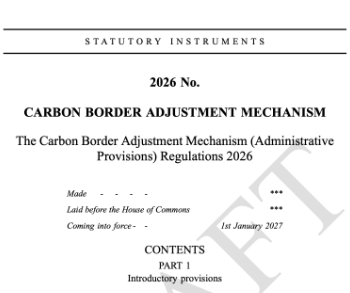
What CBAM is and what to do about it.
The new towns and strategic environmental assessments

12 locations of the New Towns Taskforce reduced to 7 within the new towns draft programme and open consultation.

Buildings that changed the future of architecture. Book review.
The Sustainability Pathfinder© Handbook
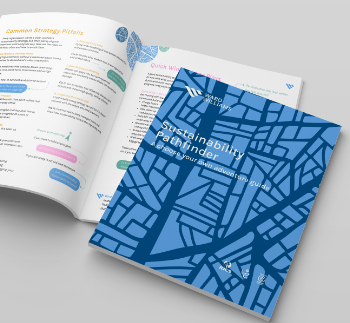
Built environment agency launches free Pathfinder© tool to help businesses progress sustainability strategies.

Government outcome to the late payment consultation, ECA reacts.
IHBC 2025 Gus Astley Student Award winners

Work on the role of hewing in UK historic conservation a win for Jack Parker of Oxford Brookes University.
Future Homes Building Standards and plug-in solar
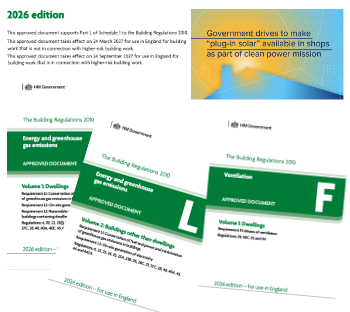
Parts F and L amendments, the availability of solar panels and industry responses.
How later living housing can help solve the housing crisis

Unlocking homes, unlocking lives.
Preparing safety case reports for HRBs under the BSA
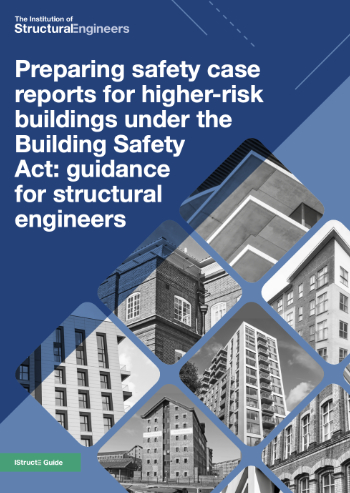
A new practical guide to preparing structural inputs for safety cases and safety case reports published by IStructE.
Male construction workers and prostate cancer

CIOB and Prostate Cancer UK encourage awareness of prostate cancer risks, and what to do about it.