





Design chill
Building design is generally an iterative process in which the design becomes more detailed and more 'fixed' as the project progresses.
At certain stages in the design process, packages of information are prepared for the client to approve, and once this approval has been given, the design is ‘frozen’ and change control procedures are introduced to ensure that no more changes are made without the permission of the client.
However, there can be an intermediate stage before design freeze, known as ‘design chill’ or ‘part freeze’.
The Construction Special Interest Group, Competency Working Group (ConSIG CWG) of the Chartered Quality Institute (CQI) suggest that:
|
At design chill, all aspects of the design may evolve, although formal controls are placed on any changes to issued design documents. This might mean that interim change may occur within particular aspect of the works, which, when finalised, are formally reviewed and incorporated into the design. Design chill also has the effect of reducing possible diversions into development that over-engineers the design or introduces additional “benefits” that were not foreseen at the start of the work. Parts of a design can be chilled whilst permitting other aspects to continue to develop; for example, the civil aspects may be chilled, allowing M&E design to continue in the full knowledge that there will be no change to the structure. |
For more information see: Design freeze: a quality perspective.
[edit] Related articles on Designing Buildings
Featured articles and news
Costs and insolvencies mount for SMEs, despite growth
Construction sector under insolvency and wage bill pressure in part linked to National Insurance, says report.
The place for vitrified clay pipes in modern infrastructure
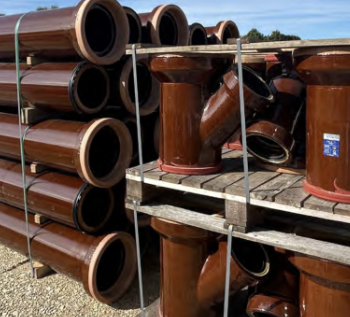
Why vitrified clay pipes are reclaiming their role in built projects.
Research by construction PR consultancy LMC published.
Roles and responsibilities of domestic clients
ACA Safety in Construction guide for domestic clients.
Fire door compliance in UK commercial buildings

Architect and manufacturer gives their low down.
Plumbing and heating for sustainability in new properties
Technical Engineer runs through changes in regulations, innovations in materials, and product systems.
Awareness of the Carbon Border Adjustment Mechanism
What CBAM is and what to do about it.
The new towns and strategic environmental assessments
12 locations of the New Towns Taskforce reduced to 7 within the new towns draft programme and open consultation.
Buildings that changed the future of architecture. Book review.
The Sustainability Pathfinder© Handbook
Built environment agency launches free Pathfinder© tool to help businesses progress sustainability strategies.
Government outcome to the late payment consultation, ECA reacts.
IHBC 2025 Gus Astley Student Award winners
Work on the role of hewing in UK historic conservation a win for Jack Parker of Oxford Brookes University.
Future Homes Building Standards and plug-in solar
Parts F and L amendments, the availability of solar panels and industry responses.
How later living housing can help solve the housing crisis
Unlocking homes, unlocking lives.
Preparing safety case reports for HRBs under the BSA
A new practical guide to preparing structural inputs for safety cases and safety case reports published by IStructE.
Male construction workers and prostate cancer

CIOB and Prostate Cancer UK encourage awareness of prostate cancer risks, and what to do about it.