





Concrete

Contents |
[edit] Introduction
Concrete is the most commonly used man-made material on earth. It is an important construction material used extensively in buildings, bridges, roads and dams. Its uses range from structural applications, to paviours, kerbs, pipes and drains.
Concrete is a composite material, consisting mainly of Portland cement, water and aggregate (gravel, sand or rock). When these materials are mixed together, they form a workable paste which then gradually hardens over time.
For the different types, see Types of concrete.
[edit] History
A material similar to concrete was first developed by the Egyptians, consisting of lime and gypsum. Typically, lime, chalk or oyster shells continued being used as the cement forming agent until the early-1800s.
In 1824, Portland cement, a mixture of limestone and clay was burned and ground, and since then, this has remained the predominant cementing agent used in concrete production.
[edit] Benefits of concrete
There are numerous positive aspects of concrete:
- It is a relatively cheap material and has a relatively long life with few maintenance requirements.
- It is strong in compression.
- Before it hardens it is a very pliable substance that can easily be shaped.
- It is non-combustible.
[edit] Limitations of concrete
The limitations of concrete include:
- Relatively low tensile strength when compared to other building materials.
- Low ductability.
- Low strength-to-weight ratio.
- It is susceptible to cracking.
[edit] Characteristics of concrete
The characteristics of concrete are determined by the aggregate or cement used, or by the method that is used to produce it. The water-to-cement ratio is the determining factor in ordinary structural concrete with a lower water content resulting in a stronger concrete.
This, however, reduces the workability (and pumpability) of the concrete, which can be measured using the slump test. The grading, shape, texture and proportion of aggregate can also have a similar effect. If a particularly strong concrete is required, the amount of aggregate can be reduced in relation to the cement. However, cement is a significant cost factor, and increasing its proportion in the mix will increase the overall price.
When making concrete, admixtures can be used to alter the characteristics of the concrete. For example accelerators can be used to make it set more rapidly, retarders to make it set more slowly, superplasticisers to reduce the water content etc.
For more information, see The properties of concrete.
[edit] Concrete strength
Concrete strength is determined by the force required to crush it and is measured in pounds per square inch or kilograms per square centimetre. Strength can be affected by many variables including moisture and temperature.
The tensile strength of concrete can be improved with the addition of metal rods, wires, cables or mesh. Where very high tensile stresses are expected (such as in wide unsupported spans in roofs or bridges) concrete can include pre-tensioned steel wires. This creates compressive forces in the concrete that help offset the tensile forces that the structure is subject to.
Sacrificial probes can be integrated within concrete to provide strength determination and this is likely to help improve construction methodologies.
For more information, see Testing concrete.
[edit] Formwork
Formwork is a temporary mould into which concrete is poured and formed. Traditional formwork is fabricated using timber, but it can also be constructed from steel, glass fibre reinforced plastics and other materials.
Formwork may be temporary, re-usable, or stay-in-place. There are also a number of proprietary systems such as those used to support vertical formwork while concrete cures, consisting of a series of tubes and ties.
Efficiency within concrete construction is being improved by the adoption of hybrid solutions and innovations in formwork such as self-climbing forms.
See Formwork for more information.
[edit] Sustainability
Concrete has a relatively high embodied energy, resulting from its extraction, manufacture and transportation. Waste materials can be included within the concrete mix such as Recycled Crushed Aggregate (RCA), Ground Granulated Blast-Furnace Slag (GGBS) and Pulverised Fuel Ash (PFA).
In addition, moves are being made to assess the potential of using recycled concrete, however, issues such as moisture content and material variability may make this unviable.
Concrete is a very durable, low maintenance material and can provide thermal mass, helping reduce the energy consumption of buildings in operation.
The UK cement and concrete industry has published a Roadmap to Beyond Net Zero, setting out a pathway to net-zero carbon concrete across its lifecycle by 2050, including through lower-carbon cement chemistries such as limestone calcined clay cement (LC3), increased use of GGBS and PFA in place of Portland cement, and carbon capture at cement works.
[edit] Related articles on Designing Buildings
- 3D concrete printer.
- Admixture, additive or agent.
- Admixtures in concrete.
- Alkali-activated binder.
- Alkali-aggregate reaction (AAR).
- Alkali-silica reaction (ASR).
- Architectural concrete.
- Blocked concrete delivery pumps.
- Cast-in-place concrete.
- Cellular concrete.
- Cement and concrete companies release 2050 Climate Ambition.
- Cement-free precast product.
- Cement mortar.
- Concrete batching plants.
- Concrete boom pumps.
- Concrete in aggressive ground (SD 1).
- Concrete joints.
- Concrete masonry unit CMU.
- Concrete repair mortars.
- Concrete-steel composite structures.
- Concrete superplasticizer.
- Concrete to cover.
- Concrete vs. steel.
- Concreting plant.
- Decarbonising concrete in the UK.
- Defective Concrete Blocks Grant Scheme.
- Differences between jumpform and slipform climbing formwork systems.
- Glass reinforced concrete.
- Hempcrete.
- How to clean concrete.
- Laitance.
- Lime concrete.
- Limestone calcined clay cement LC3.
- Portland cement.
- Precast concrete.
- Prestressed concrete.
- Power float.
- Pyrite and mica redress issues in Dail Eireann.
- Rebar.
- Recycled concrete aggregate RCA.
- Reinforced concrete.
- Scabbling.
- Screed.
- Self-compacting concrete.
- Slip form.
- Smart concrete.
- Spanish brutalism.
- Sprayed in situ concrete.
- Stationary pump skills.
- Stratification of concrete.
- Testing concrete.
- Textile-reinforced mortars TRM.
- The properties of concrete.
- The World Recast: 70 buildings from 70 years of Concrete Quarterly.
- The use of concrete structures to protect construction sites.
- Thomas Edison's concrete cottages.
- Types of concrete.
- Ultra high performance fibre concrete.
- Vibration Compaction Technology.
- What will happen if we use too much rebar in concrete?
Featured articles
Check out some of the best features and news from Designing Buildings as well as key stories from around the web.
Changing expectations around competence and compliance
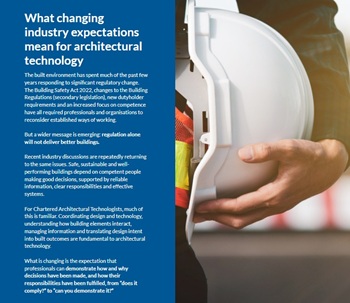
New information sheet from CIAT.
Grenfell investigation files passed to CPS

Angela Rayner apologises on behalf of the British state.

Electrical contractors need to understand the practical implications.

The real barrier to getting more value from digital technology.

Your guide to The Construction Reset at UKCW Birmingham.

Accommodating the Victorian and Edwardian working woman. Book review.
Rethinking passive fire protection in design

PFP demands the same level of design rigour as structure or services.
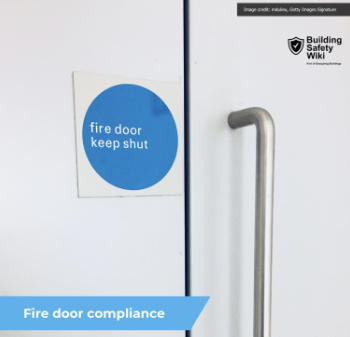
38% of Gen Zs feel safe when a fire door is wedged open.
Stunning images from around the world
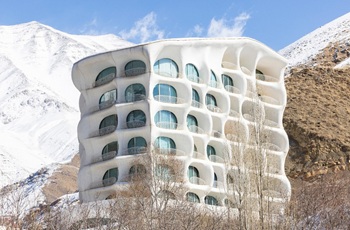
Shortlist for CIOB’s Art of Building photography competition.

Guidance for conversion of traditional pre-1919 stone buildings.
Industrial heritage in the Ruhr
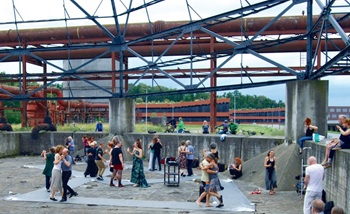
A marked difference to the fate of industrial landscapes in the UK.
Communities will be able to build their own clean energy.
Comments
[edit] To make a comment about this article, or to suggest changes, click 'Add a comment' above. Separate your comments from any existing comments by inserting a horizontal line.