




Self-build home: Justify the project

Justifying the project is the first, and perhaps the most important stage. It involves assessing whether the project is worth pursuing and whether it is likely to be deliverable. Because of the importance of these issues, it can be beneficial to seek expert advice, perhaps from a surveyor or an architect with experience of self-build homes.
Prepare a statement of need
A ‘statement of need’ is a first attempt to set down on paper the requirements that could justify the project. It should also list alternative solutions, such as; purchasing a completed building, extending or refurbishing an existing building, doing nothing and so on.
Assess the viability of the project
It is then necessary to explore the options set out in the statement of need in more detail. This might include assessment of:
- The likelihood of obtaining a suitable plot.
- The likelihood of obtaining planning permission.
- The likely order of cost of the project (including fees, taxes, contingency, inflation, fixtures and fittings and so on).
- The availability of funds.
- The likely delivery route (see Develop a delivery strategy for more information).
- The likely length of the project programme.
- Alternative accommodation arrangements during construction (if necessary).
- An assessment of project risks.
- Assessment of comparable completed projects.
- An assessment of the amount of time that can be dedicated to the project.
- The strategy for managing the project.
- An assessment of the assistance that might be required.
- A preliminary organisational structure for the project.
- The likely value of the finished home.
The project should only proceed to the next stage if this assessment suggests the project is viable, desirable, achievable and affordable.
Featured articles
Check out some of the best features and news from Designing Buildings as well as key stories from around the web.

Bringing together expertise and creating cultural benefits.

CIOB celebrates positive Ofsted report.

The Building Safety Regulator announces a call for evidence.

Government approach could undermine delivery and regeneration.
World's first mass timber data centre.

The overlooked environmental aspect of data centre development.
Introduction to radon awareness
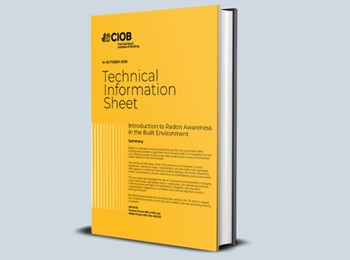
New technical information sheet published by CIOB.
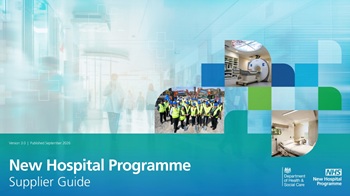
Updated supplier guide can help electrical contractors engage with NHP.

CIAT confirm the winners of the 2026 architectural technology awards.
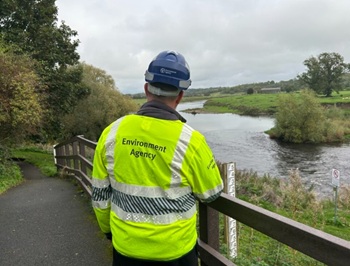
Government launches a one stop shop for flood preparedness.
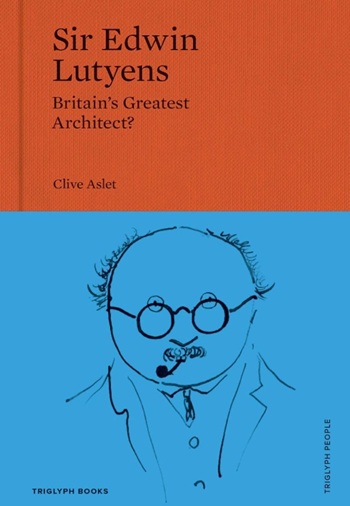
Sir Edwin Lutyens: Britain's greatest architect? Book review.
CIOB publishes free template to help assess and manage risks.
ECA's reflections on Party Conference season

Burnham wants to be confident of winning before asking for a fresh mandate.